
Construction and infrastructure projects are becoming increasingly complex. The number of professions, requirements, changes, safety regulations, and pressure on deadlines and budgets is increasing. If each team works in a different tool and documentation is passed manually, errors, delays, and loss of know-how from previous projects occur.
Project documentation, models, changes, and requirements are not in one place. Teams then make decisions based on outdated data.
The impacts of changes on construction, production, assembly, or costs often only become apparent in a phase when they are already expensive.
Each project starts almost from scratch. Modules, templates, variants, and know-how are difficult to reuse.
Materials, emissions, standards, and energy efficiency must be considered in the design, not just during implementation.
Productization changes the approach to construction: instead of isolated projects, configurable construction modules, templates, and rules are created that can be reused across projects. The result is faster design, better quality control, and easier preparation for production and assembly.
TECHNODAT helps companies connect construction data, requirements, changes, project documentation, and team collaboration so that the digital model is not just a visualization, but a real source of decision-making.
Together we will map where delays, duplications, outdated documentation, or errors in data transfer between teams currently occur.
We will design how to connect CATIA, 3DEXPERIENCE, BIM data, construction rules, change management, and collaboration across the project.
We will assist with deployment, methodology, team training, and long-term support, so that the new solution works in real practice.
CATIA supports a modern approach to construction, where models, requirements, rules, simulations, and project data are connected into a single workflow. This allows for earlier decision-making, continuous verification of variants, and reducing the risk of expensive changes in the later stages of the project.
Utilizing repeatable rules, design templates, and corporate know-how for faster creation of variants.
Finding design solutions based on technical, spatial, material, and manufacturing constraints.
A digital model as a common source of truth for design, coordination, validation, and decision-making across teams.
The greatest benefit of this approach is where the project involves multiple professions, a large number of changes, high accuracy requirements, and the need to reuse construction know-how.
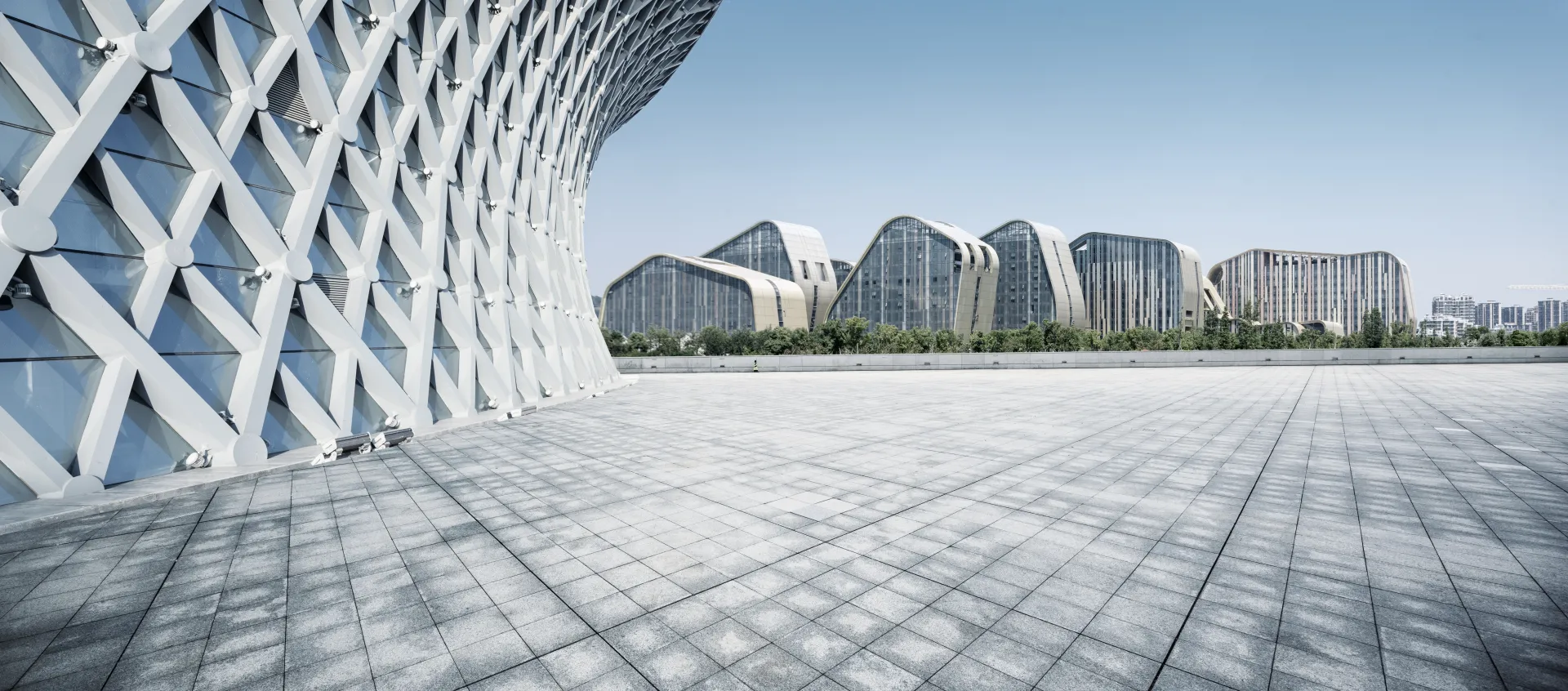
Bridges, tunnels, stations, industrial buildings, public infrastructure and complex structures with high coordination demands.
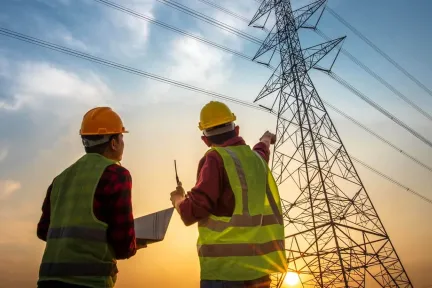
Connecting construction, technology, electrical, production, and assembly in projects, where it is necessary to manage dependencies across disciplines.
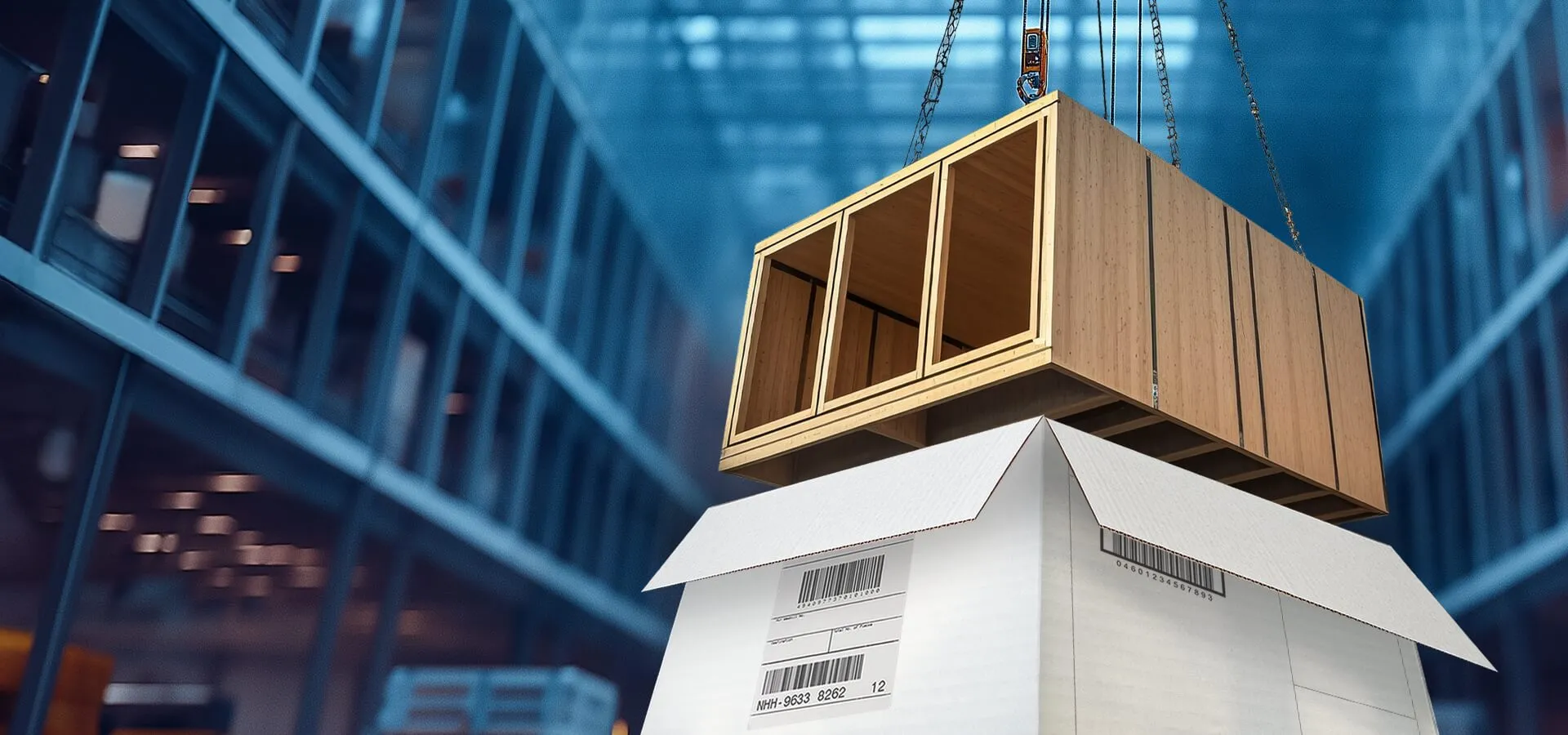
Standardized modules, repeatable construction principles, and preparation for more efficient off-site production.
The video shows how, thanks to the virtual twin, modular design, and collaboration on the platform, complex construction and infrastructure projects can be managed better.
The goal is not just to create a 3D model. The goal is to have control over the entire design process, changes, validation, and preparation for realization.
Better data continuity and a more accurate model help identify problems earlier, before they manifest in production or on-site.
Parametric and configurable models allow for quicker responses to customer requirements, standards, or project changes.
Design rules, modules, and corporate experiences can be preserved and reused across other projects.
The impacts of changes, material choices, and design variants can be assessed earlier when decisions have the greatest effect.
Design can better work with material optimization, weight, energy efficiency, and sustainability requirements.
Project data, models, requirements, and changes are available in one environment for all key project participants.
Connect with TECHNODAT experts. We will help you find practical uses for CATIA, the 3DEXPERIENCE platform, the virtual twin, and digital continuity for your construction, design, and implementation processes.


