
Connect modeling and simulation in a single environment and validate technical decisions before costly changes occur in development.
Performance-Driven Generative Design helps development teams find optimal design variants based on performance, weight, strength, manufacturability, and sustainability. CATIA, SIMULIA, and the 3DEXPERIENCE platform create a shared environment where design can not only be modeled but also continuously validated.
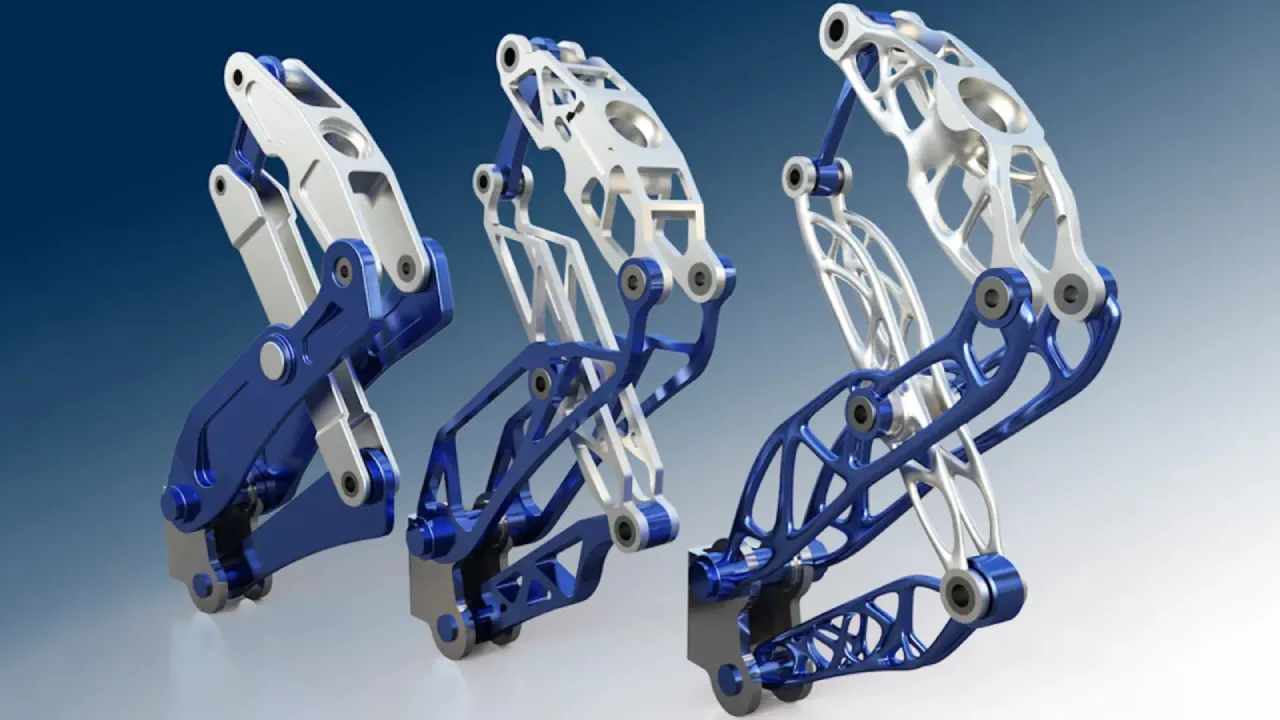
MODSIM connects modeling and simulation into a single workflow. Designers do not have to wait until the late stages of development to find out how the design will behave. Simulation becomes a natural part of the design process and helps make decisions at the moment when each change has the greatest impact.
Simulation helps identify weaknesses in the design during the conceptual phase, not just after the design is completed or a prototype is manufactured.
Teams can quickly compare different design options based on performance, weight, strength, or manufacturing constraints.
Connecting design and simulation reduces the number of iterations, returns, and costly adjustments in later stages of development.
Traditional development often works with geometry separately from simulations. The MODSIM approach changes this model. The design team can consider technical requirements, simulations, manufacturing constraints, and target product parameters in one environment.
Topological optimization of parts and assemblies for lighter and more efficient designs.
Virtual validation of designs before manufacturing a physical prototype.
Better decision-making in the early stages of development when costs and technical parameters can be most influenced.
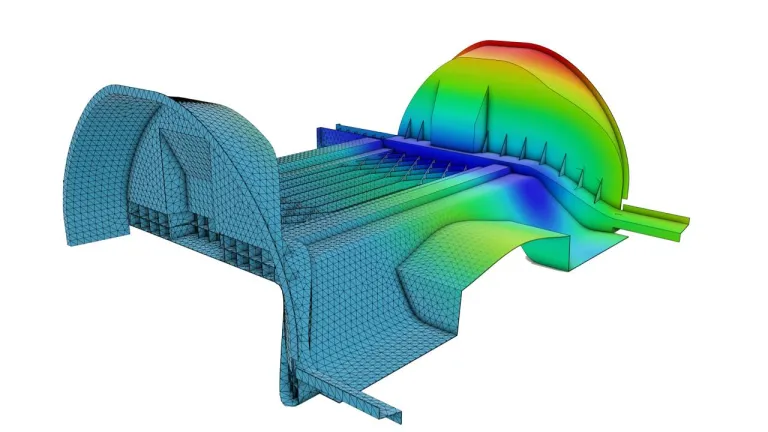
CATIA and SIMULIA on the 3DEXPERIENCE platform allow working with unified data across design, simulation, and other development disciplines. This enables faster analysis of variants, sharing of results, and guiding technical decisions based on verified data.
Faster comparison of variants based on strength, stiffness, flow, thermal behavior, or movement.
Easier collaboration between design, simulation, manufacturing, and development management.
The ability to track design changes and link them to simulation results and requirements.
When design and simulation are connected in one environment, the development team gains better control over performance, costs, quality, and sustainability of the product.
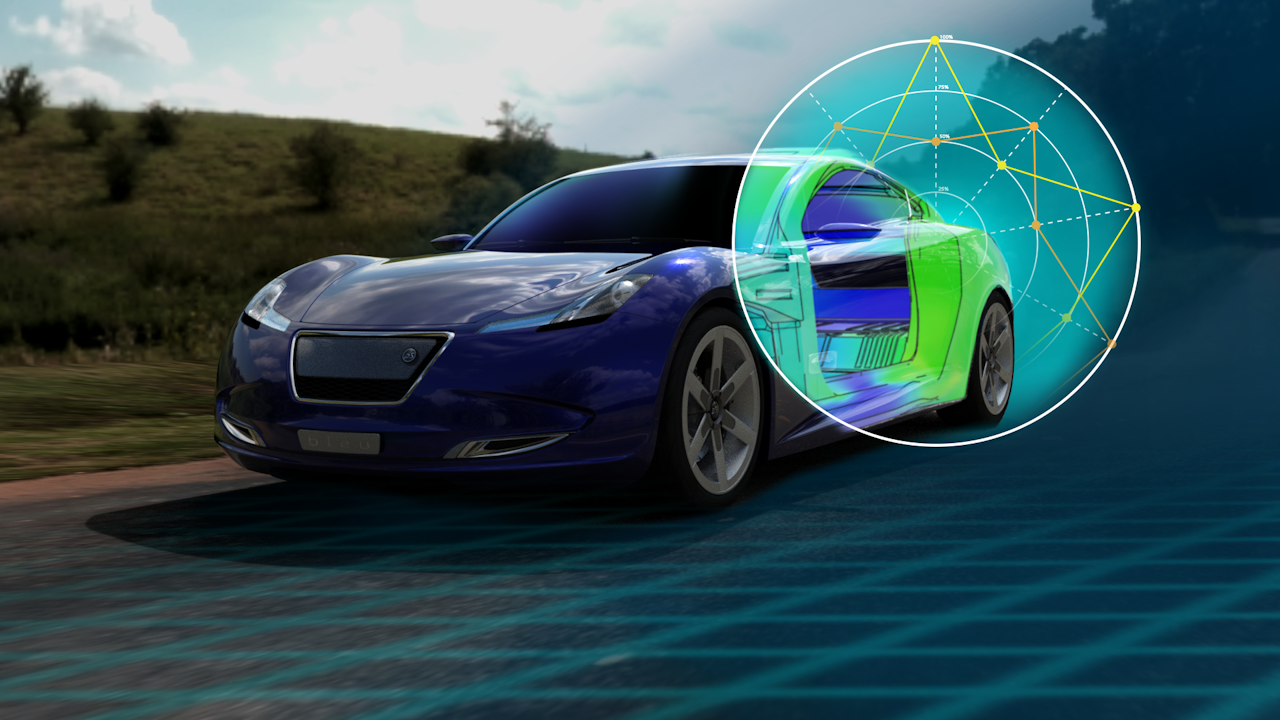
Optimization of chassis, body, safety, aerodynamics, electric vehicles, battery systems, and lightweight structures.
Development of lightweight, durable, and high-performance structures with a focus on reliability, weight, performance, and safety.
Design of robust machinery, components, and equipment with regard to functionality, lifespan, manufacturability, and costs.
TECHNODAT helps companies implement Dassault Systèmes solutions in a way that makes sense in specific processes, data, and teams. We will help you assess the appropriate use case, design workflows, and connect CATIA, SIMULIA, and the 3DEXPERIENCE platform into a functional environment for modern development.
Analysis of current processes and design of an appropriate MODSIM use case.
Support in implementing CATIA, SIMULIA, and the 3DEXPERIENCE platform.
Training, methodological support, and long-term collaboration with your teams.
Connect with TECHNODAT experts. We will show you how CATIA, SIMULIA, and 3DEXPERIENCE can support performance-driven development, better team collaboration, and a faster path from concept to validated product.
MODSIM is the connection of modeling and simulation in one environment. It allows for continuous validation of design from the very first concepts and decision-making based on data.
No. MODSIM helps make simulation insights accessible to a broader development team, but specialists still play an important role in methodology, validation, and advanced calculations.
Not necessarily. The benefits mainly depend on the type of product, complexity of development, number of variants, and requirements for performance, weight, quality, or optimization.
We will help you assess the appropriate scenario, design workflows, connect CATIA, SIMULIA, and 3DEXPERIENCE, and prepare the team for practical use of the solutions.


