
reference
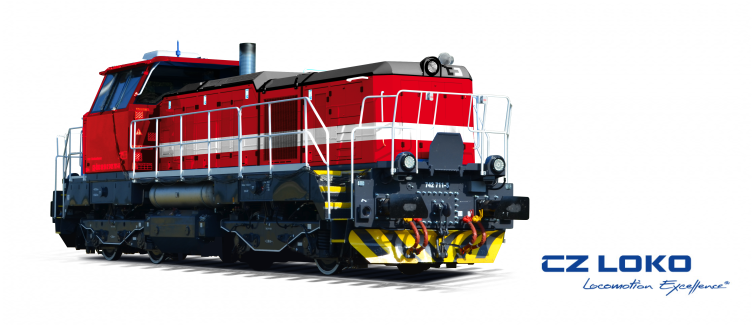
CZ LOKO
Implementing Engineering Base in CZ LOKO's processes. Discover how Engineering Base supports the development of diesel-electric locomotives.
Škoda Transportation has been continuously developing its design and engineering processes to meet the ever-increasing demands for development speed, documentation quality, and coordination of extensive projects. With the growing complexity of rail vehicles and the involvement of multiple teams across various locations, the need arose to unify data, eliminate inefficient manual activities, and create an environment that enables effective collaboration over a single source of technical information.
An important requirement was the creation of a unified environment for managing electrical documentation that allows consistent work across design, production, and other departments. The company was also looking for a solution that would support the standardization of processes among individual teams and simplify work with extensive technical data during the implementation of demanding rail vehicle projects.
In collaboration with TECHNODAT, a solution was developed that connects Engineering Base and the 3DEXPERIENCE platform into one process.
From the user's perspective, the work has not fundamentally changed. The electrical designer continues to work in an environment they are accustomed to.
The difference arises when the data is ready to be shared. Instead of manual transfer, a controlled process takes place that automatically checks the data, creates the product structure, and ensures its linkage to other parts of development.
A significant benefit was especially the considerably faster work with extensive data and automatic synchronization of changes across documentation. Engineering Base also helped standardize procedures among the various companies in the group and created a stable foundation for further development of digital engineering.
The platform proved effective in implementing extensive rail vehicle projects, where it enabled more efficient management of electrical documentation, faster navigation in data, and easier collaboration between design, production, and other departments.
The digitization of engineering processes today represents one of the key prerequisites for effective development of modern rail vehicles. Škoda Transportation, through the implementation of the Engineering Base platform, has gained a robust technological foundation that supports standardization, higher work efficiency, and further development of the company's digital environment, including integration with 3D systems and PLM platforms.
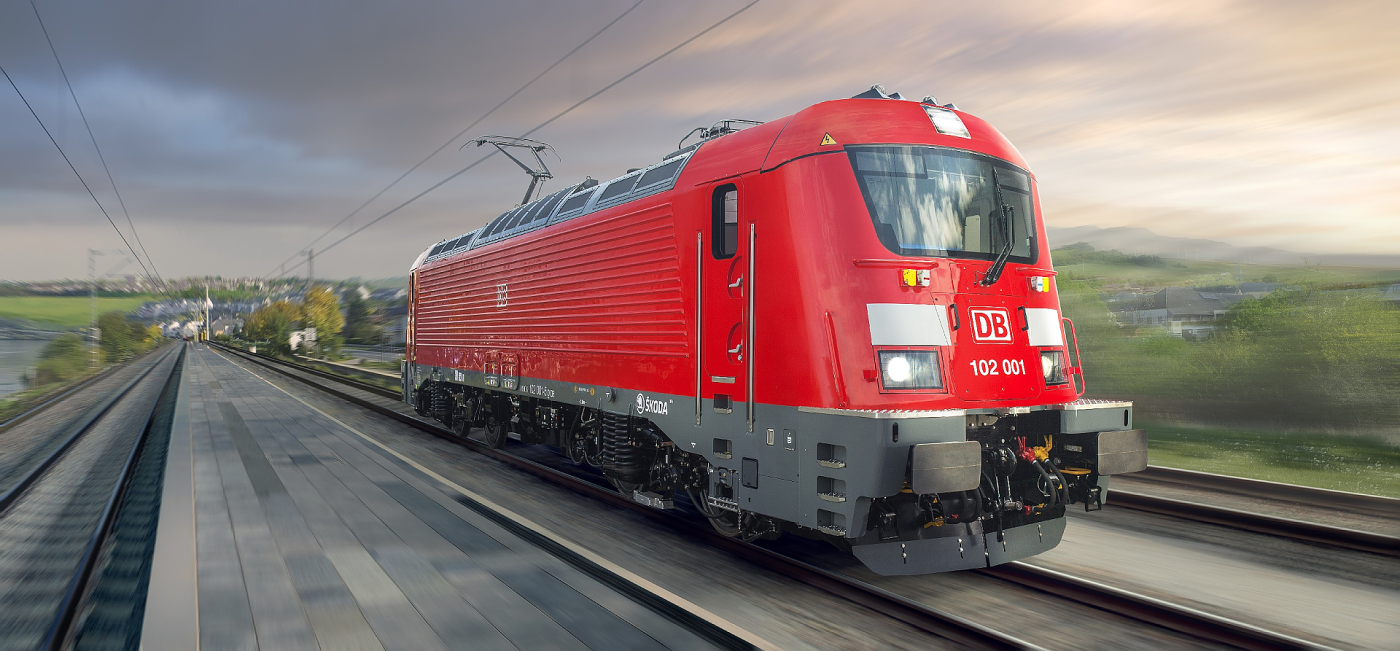
The first significant project implemented in the Engineering Base environment was the complete electrical documentation of the NIM Express train set for Deutsche Bahn. The project confirmed a significant acceleration of work with extensive data, simpler change management, and higher efficiency in the creation and editing of documentation. Project teams gained better oversight of data, advanced filtering options, and automatic updates of information across all documents.
Database design brings the greatest benefits in companies that work with extensive technical documentation, a large number of product variants, and long project life cycles. It is typically used in rail vehicles, energy, engineering, or the production of technological units, where it is necessary to ensure consistent technical data across design, production, service, and change management.
TECHNODAT was a partner in implementing the Engineering Base platform and setting up new engineering processes. With experience in database design and technical data management, it helped create an environment that supports documentation standardization, effective collaboration between teams, and further development of digital processes across the entire Škoda Transportation group.
The transition to Engineering Base brought higher efficiency in processing and managing technical documentation, better standardization of projects, and laid the groundwork for further digitization of engineering processes. The successful implementation was subsequently followed by the development of solutions towards the integration of 3D design and connection with PLM systems, which further expand the possibilities of working with technical data throughout the entire lifecycle of the vehicle.
Implementing Engineering Base in CZ LOKO's processes. Discover how Engineering Base supports the development of diesel-electric locomotives.
Modernizing engineering processes with Engineering Base. How Škoda Transportation improved engineering efficiency and standardized electrical documentation.

Chropyňská Group leveraged the 3DEXPERIENCE platform to centralize product data, standardize bills of materials (BOMs), and improve collaboration across engineering, manufacturing, and the supply chain.
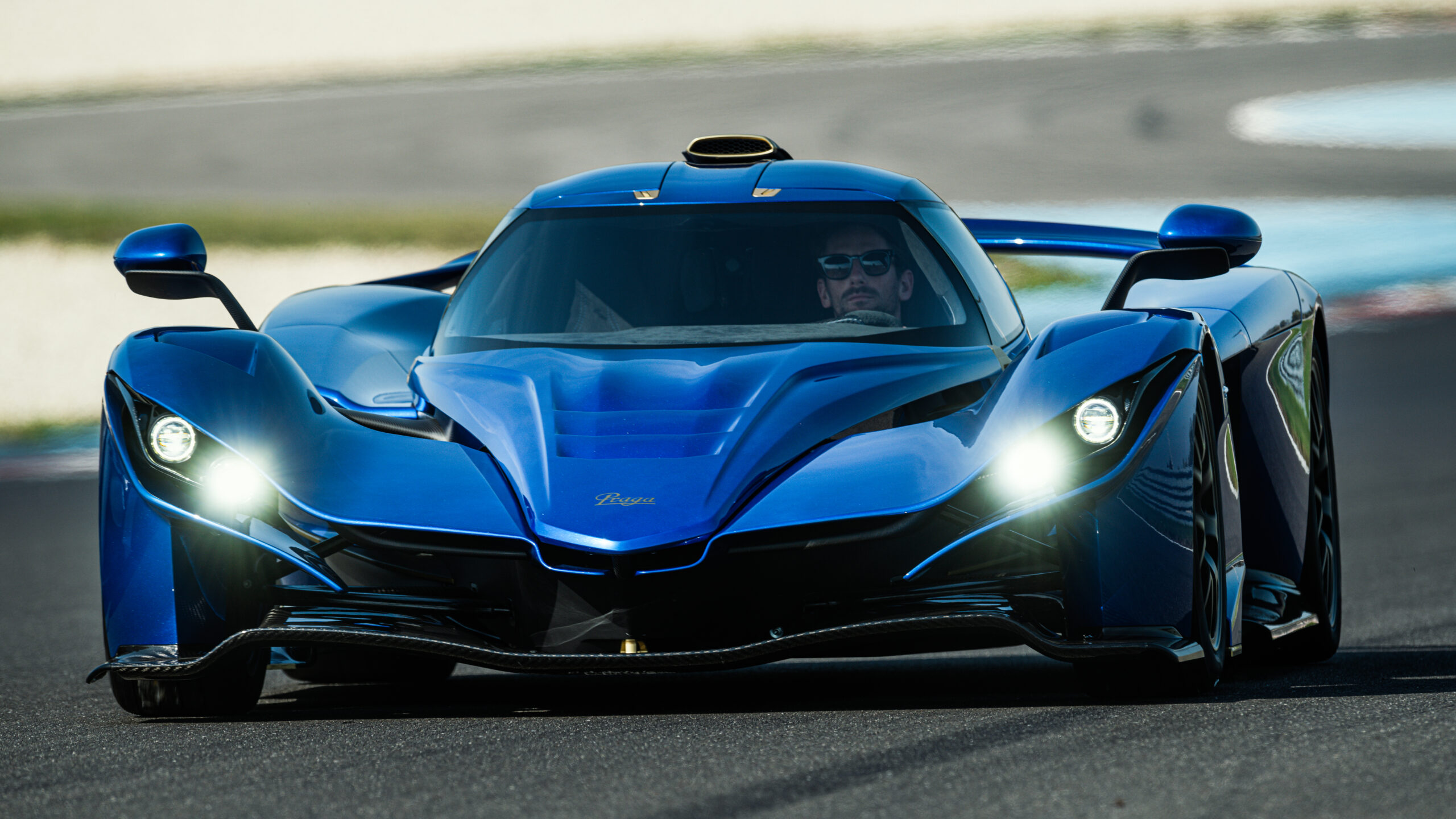
How Praga Cars accelerated the development of the Praga Bohema hypercar using the 3DEXPERIENCE platform

Innovation and continuous aircraft development are among BRM Aero's top priorities.

