SIMULIA

It is not enough to know whether the design meets the requirements. You need to understand why.

SIMULIA enables virtual verification of the behavior of products, materials, and systems even before the physical prototype is produced.

It connects structural calculations, fluid dynamics, temperature, electromagnetics, motion, vibrations, and design optimization in a single simulation environment.

Customer Problem

Technical risks often reveal themselves only when changes are most costly.

Development teams must shorten deadlines, reduce weight and costs while ensuring safety, longevity, and product performance. If the behavior of the design is verified only on a physical prototype, every error means another iteration and delay.

1

Problems are revealed too late

Deformations, overheating, vibrations, electromagnetic interference, or fatigue manifest only during physical testing.

2

The design has unnecessary margins

Without an accurate view of actual behavior, the product tends to be heavier, more expensive, or over-engineered.

3

Simulation is separated from design

Analysts manually transfer geometry and struggle to trace which version of the design the results belong to.

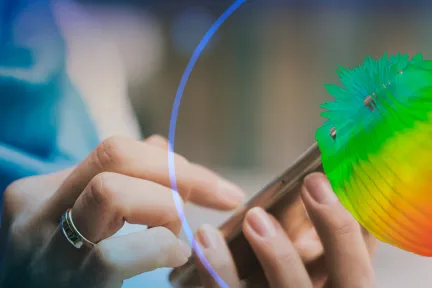
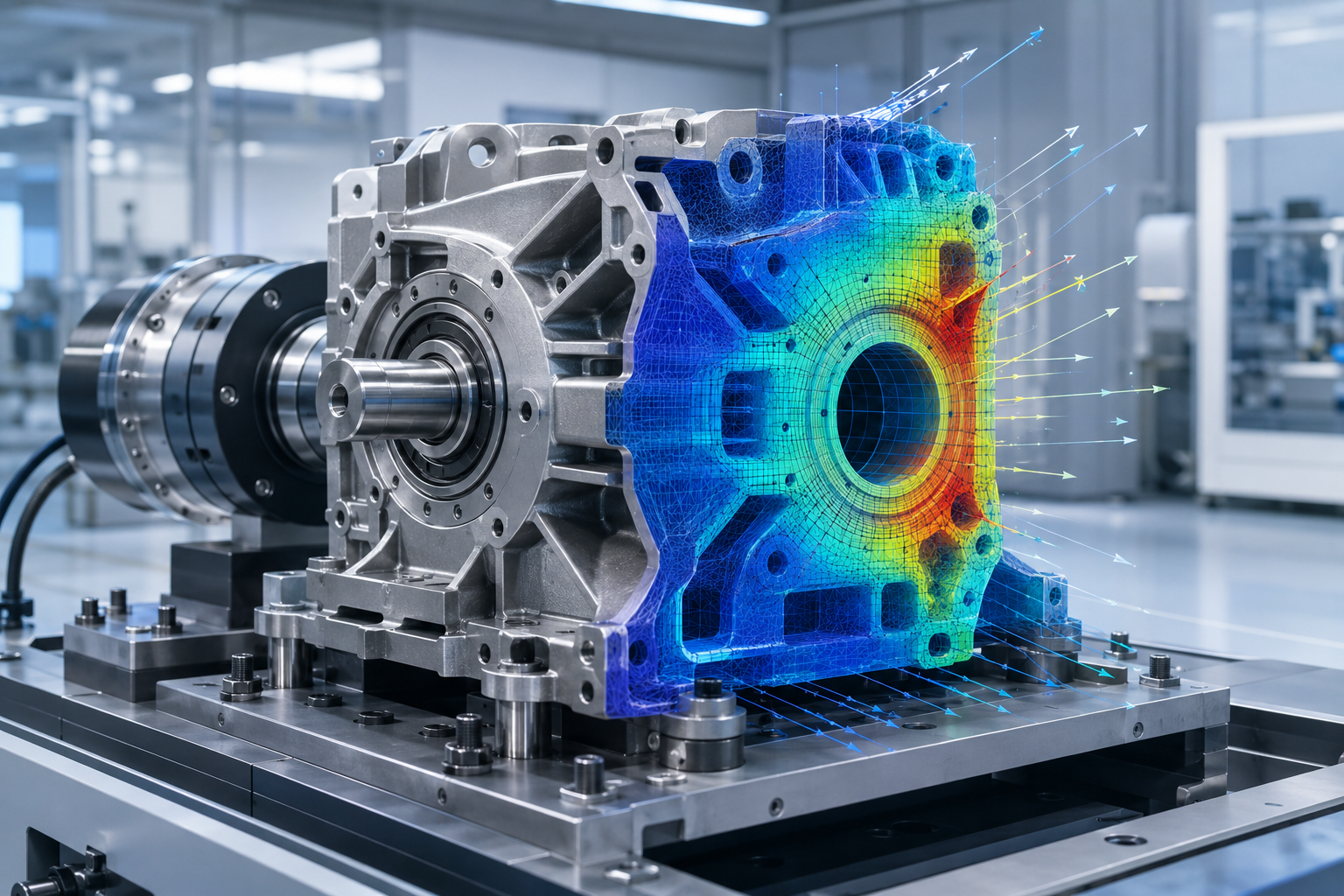
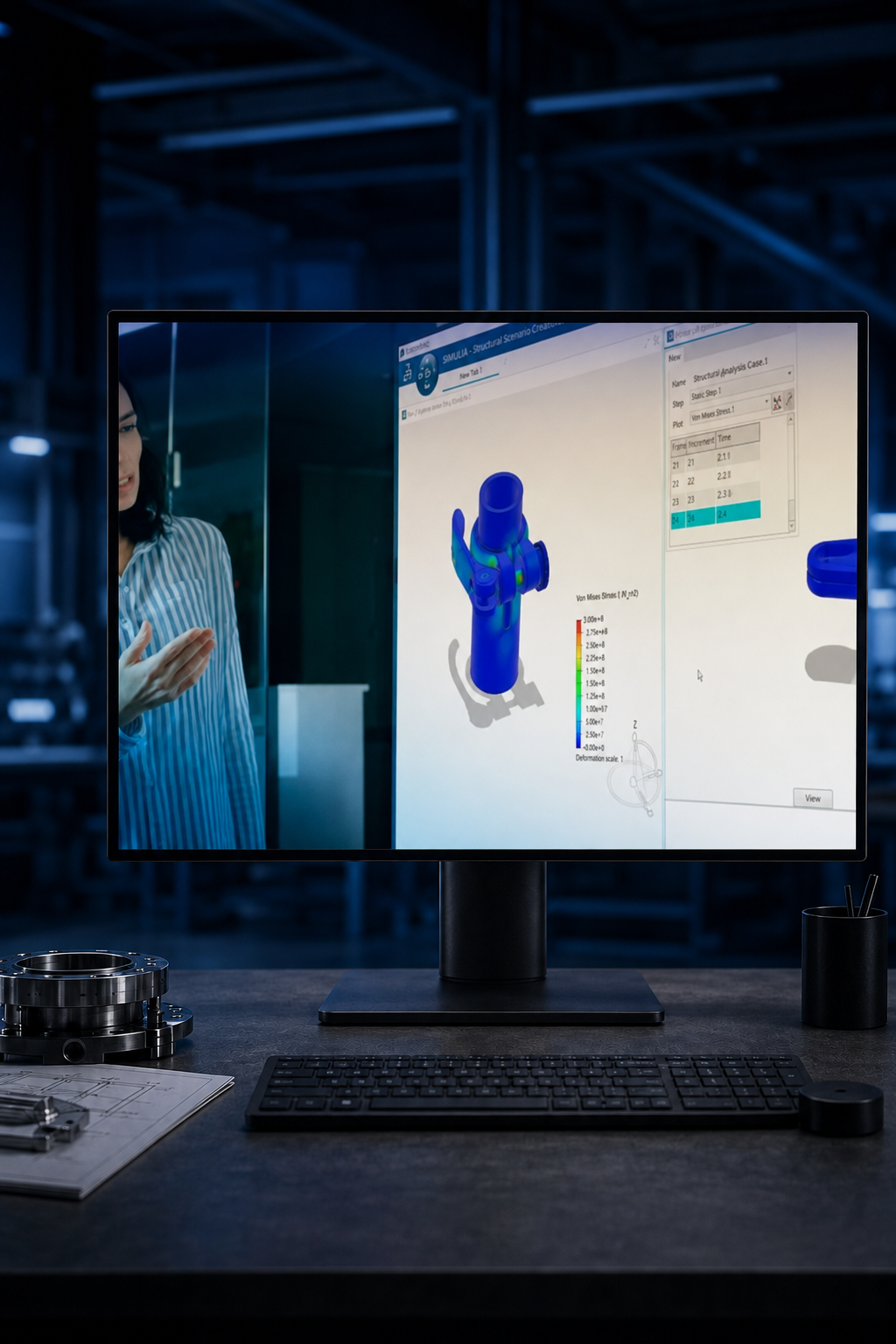
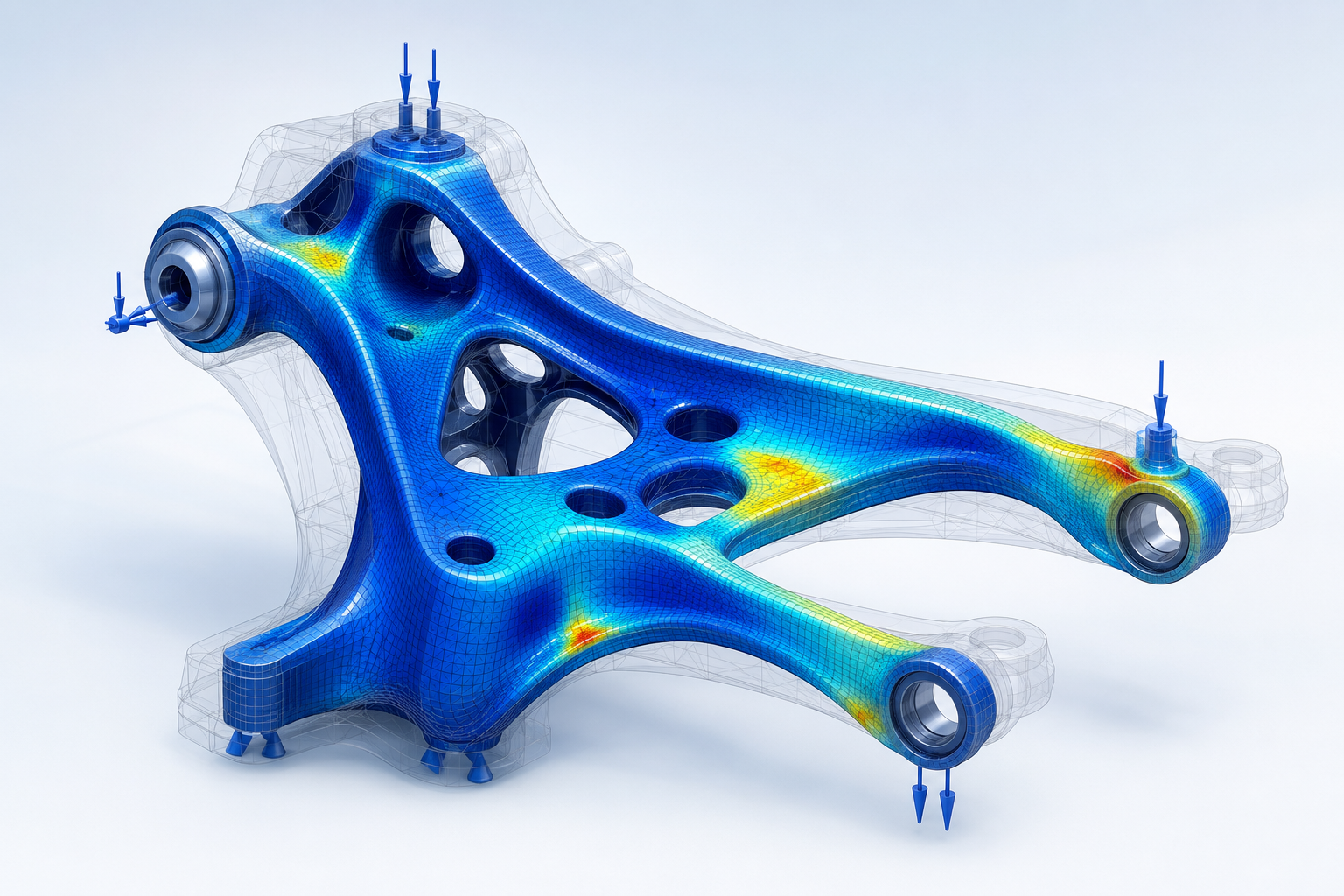
SIMULIA structural simulation of a product
Change of Approach

From late testing to continuous decision-making based on simulations.

SIMULIA transfers real loads and physical phenomena into a virtual environment. Designers and analysts can compare variants, search for root causes of problems, and verify product behavior even before the prototype is produced. It is not just about answering "does it meet the requirements or not", but understanding why the problem arises and how to improve the design.

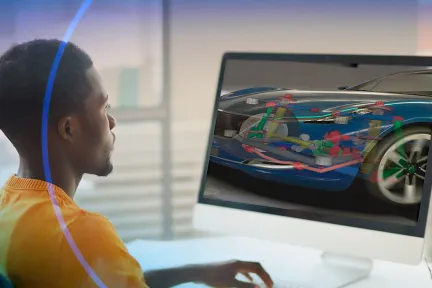
Virtual testing of a technical part using SIMULIA simulation

Virtual Testing

Verify parts, assemblies, materials, and entire systems under realistic operating conditions.

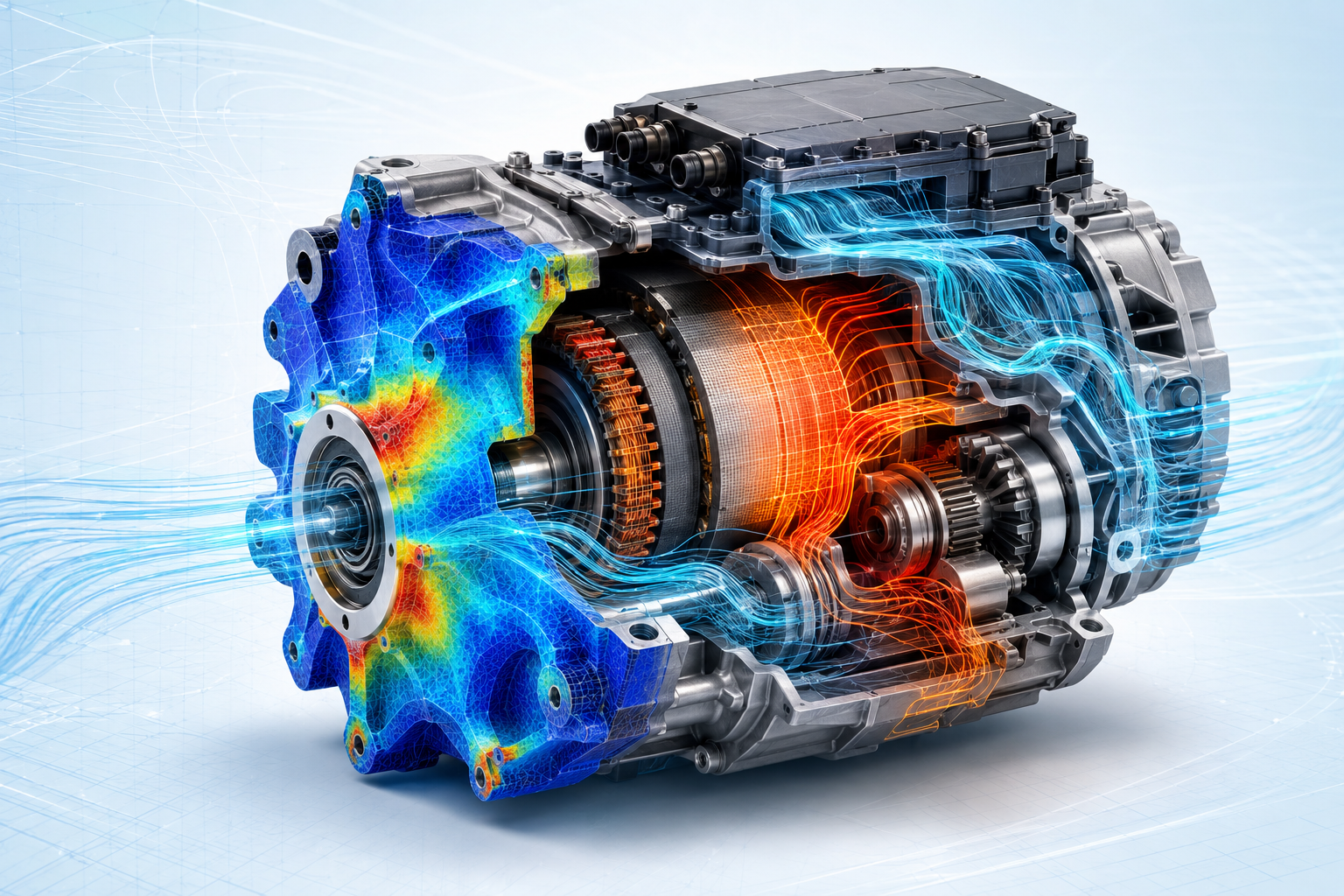
Multiphysics simulation of structures, temperature, flow, and electromagnetics in SIMULIA

Multiphysics Perspective

Connect strength, flow, temperature, electromagnetics, motion, vibrations, and acoustics.

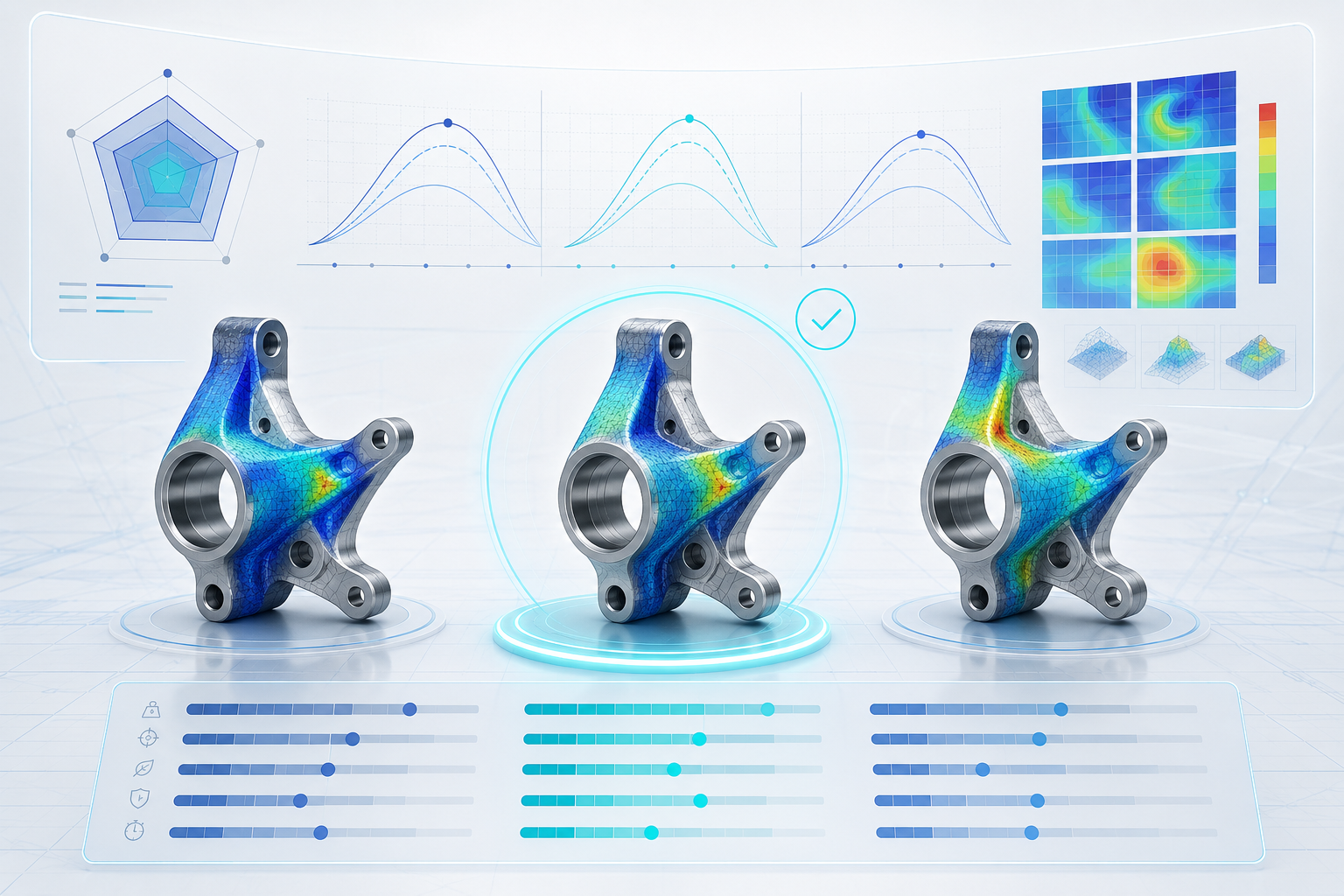
Comparison of simulation variants and decision-making based on SIMULIA results

Data-Driven Decision-Making

Compare variants and find the best balance of performance, weight, durability, and costs.

Our Approach

First, a specific technical question. Then, the tool.

You do not need to implement SIMULIA as a large ecosystem all at once. We start with a specific case that can verify input data, process, result accuracy, and benefits for the design and calculation team.

Use Case Selection

We determine what decision the simulation should support and how we will recognize a successful outcome.

Input Preparation

We check geometry, materials, loads, boundary conditions, and available test data.

Pilot and Validation

We create a model, compare scenarios, and verify the necessary level of confidence in the result.

Deployment and Development

We set up workflows, licenses, training, support, and integration with 3DEXPERIENCE.

SIMULIA Solutions

Select an area based on what you need to verify in the design.

SIMULIA is not a single program. The portfolio covers basic design verification as well as advanced nonlinear and multiphysics tasks, electromagnetics, dynamics of mechanisms, optimization, and enterprise simulation processes.

3DEXPERIENCE SIMULIA

3DEXPERIENCE SIMULIA

Simulation roles on the 3DEXPERIENCE platform connect design, calculations, data management, and collaboration in one environment for designers and specialists.

  • simulations linked to current geometry and product data,
  • roles for design verification and advanced analyses,
  • management of variants, results, revisions, and approvals,
  • options for cloud and on-premise operation.
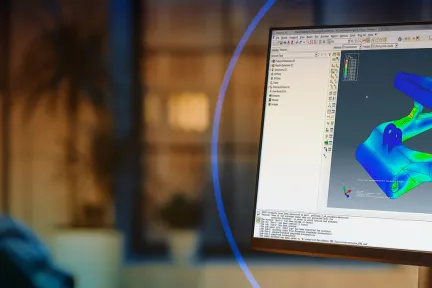
Abaqus advanced structural simulation

Abaqus

Advanced solution for realistic simulation of parts, materials, and assemblies, including complex contact, large deformations, and nonlinear behavior.

  • statics, dynamics, impact, drop, and contact,
  • nonlinear materials, composites, and failure,
  • thermal and coupled physics tasks,
  • analyses from individual parts to complex systems.
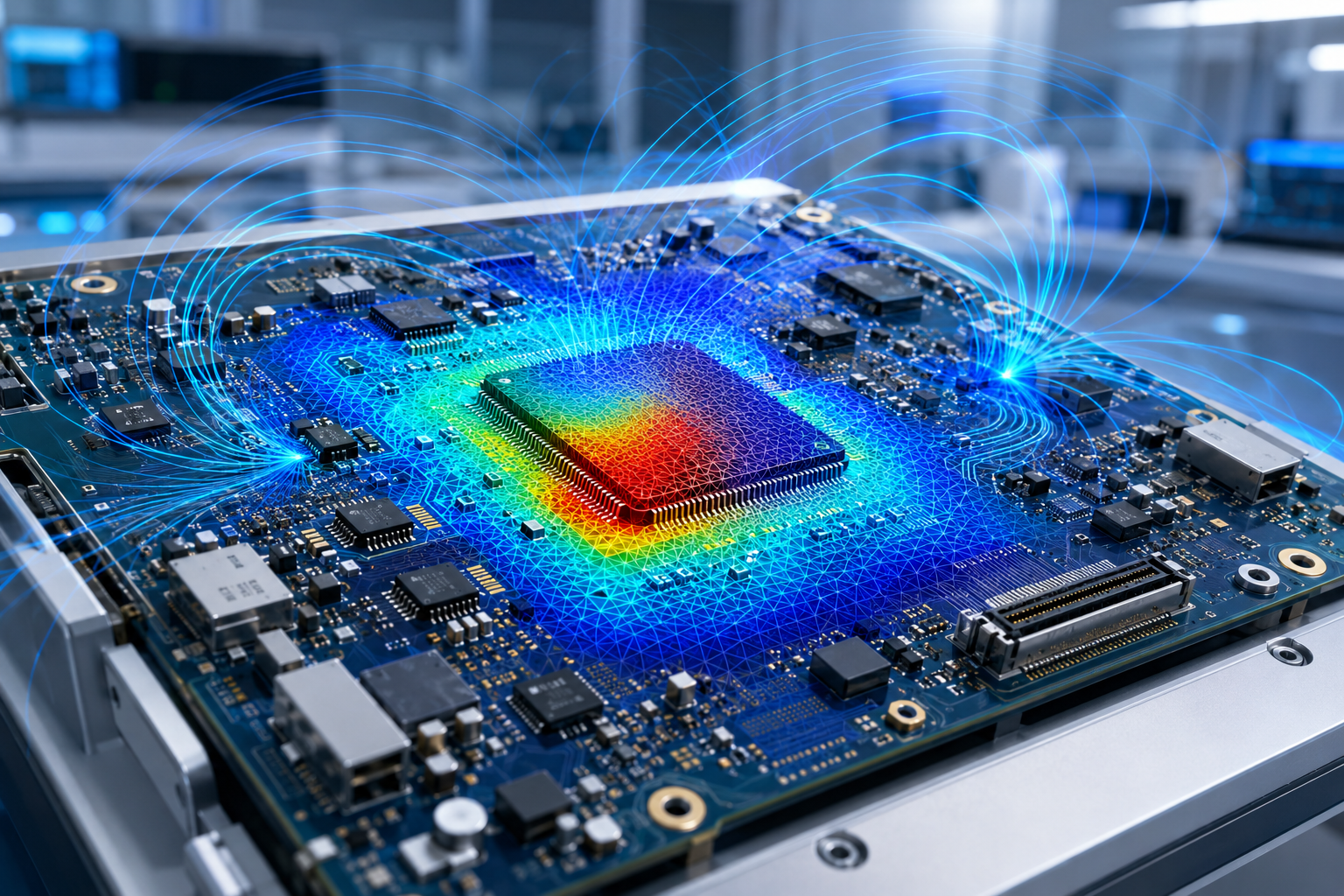
CST Studio Suite electromagnetic simulation

CST Studio Suite

3D electromagnetic analysis of components and systems across the electromagnetic spectrum for the development of electronics, antennas, and electrical devices.

  • antennas, RF and microwave systems,
  • EMC, EMI, and electromagnetic compatibility,
  • wiring, connectors, and electronic components,
  • device performance in real installation.
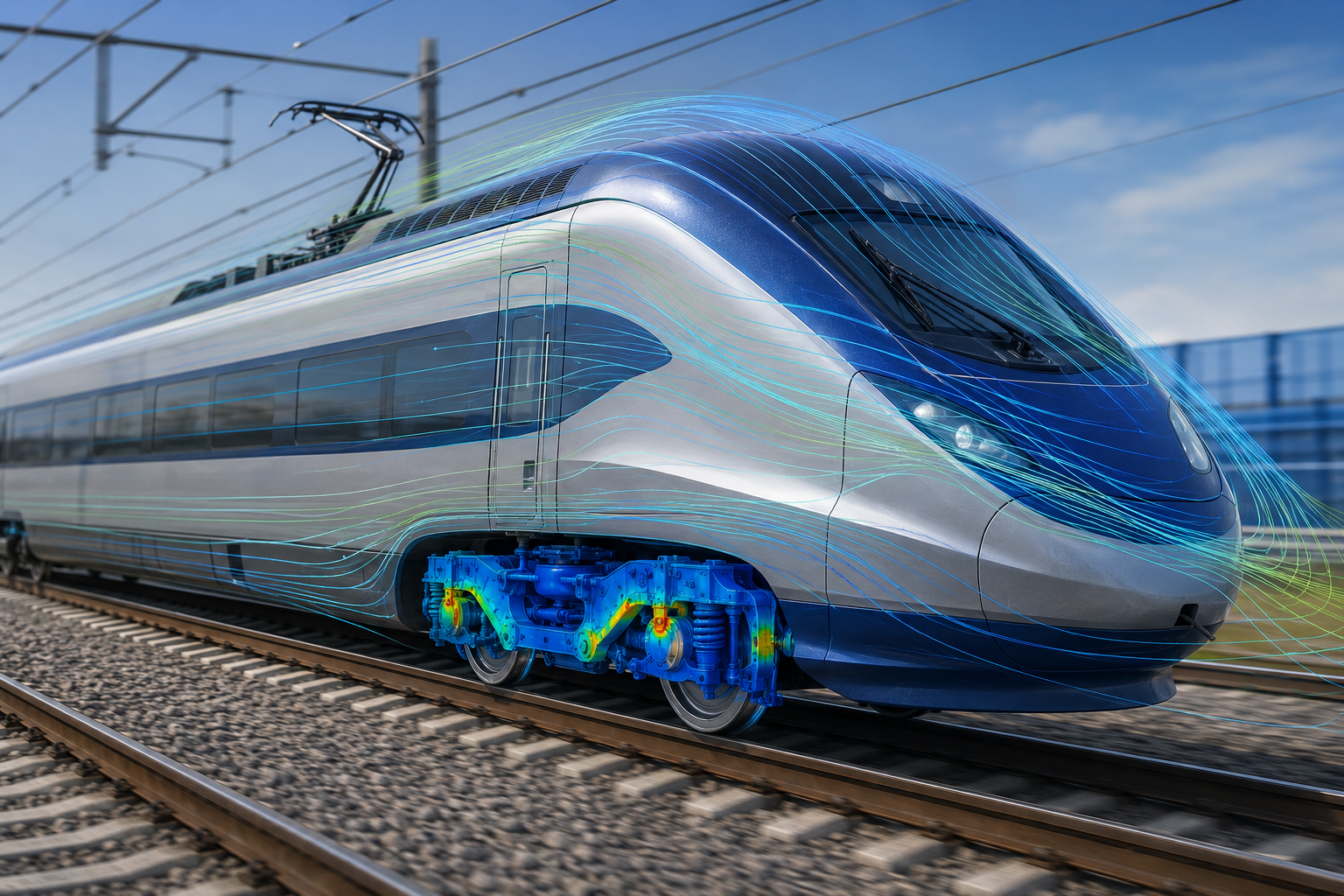
Simpack simulation of mechanism dynamics

Simpack

Multibody simulation for analyzing the motion and dynamic behavior of complex mechanical systems, drives, vehicles, machines, and rail vehicles.

  • kinematics, forces, and dynamics of mechanisms,
  • interaction of rigid and flexible bodies,
  • drives, bearings, gears, and rotating systems,
  • automotive, rail transport, and wind energy.
Connection to the Platform

SIMULIA makes the most sense when simulations are not separated from development.

The MODSIM approach connects modeling and simulation over a common data model on the 3DEXPERIENCE platform. Both the designer and analyst work in the same context, geometry changes can be reflected in calculations more quickly, and results remain linked to the correct version of the product.

What does the connection bring?

1
Current Geometry Simulations are based on the correct version of the design, and changes do not need to be manually transferred between teams.
2
Faster Iterations Design variants can be prepared, recalculated, and compared in a shorter time.
3
Traceable Results Models, boundary conditions, settings, and results remain in a common context.
4
Better Collaboration Design, calculations, project teams, and management work over the same data.
Video

How SIMULIA expands the possibilities of virtual testing.

The official video from Dassault Systèmes presents the simulation disciplines of SIMULIA and shows how realistic virtual testing helps to understand the behavior of products even before the physical prototype is produced.

Structural Simulation CFD Electromagnetics Multibody MODSIM
Specific Benefits

What can SIMULIA change in your development?

The goal is not to create more calculations. The goal is to get the right decisions into development earlier, reduce technical risks, and leverage simulation data repeatedly.

01

Fewer Physical Prototypes

Variants can first be compared virtually, and physical tests can focus on final verification of the design.

02

Earlier Risk Detection

Critical points, resonance, overheating, or fatigue are addressed before release for production.

03

Lighter and More Efficient Design

Optimization helps eliminate unnecessary material while maintaining required stiffness and longevity.

04

Faster Evaluation of Changes

When changing geometry, material, or loads, the prepared process can be reused.

05

Better Validation Documentation

Traceable models, conditions, and results support repeatability and technical argumentation.

06

Common Development Context

3DEXPERIENCE connects design, simulations, requirements, variants, results, and approvals.

Who is SIMULIA Suitable For

For companies where reliability, performance, and certainty determine the outcome.

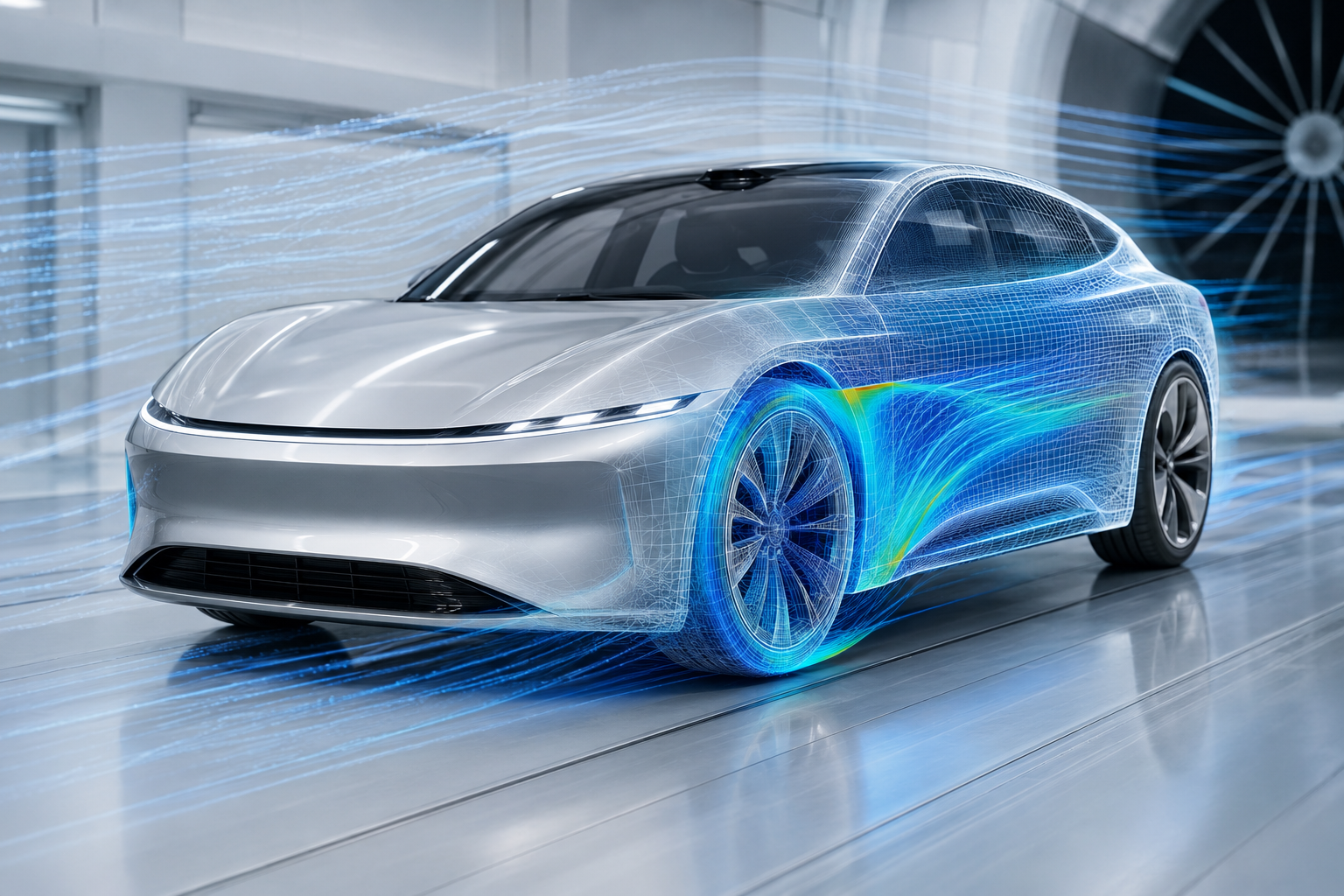
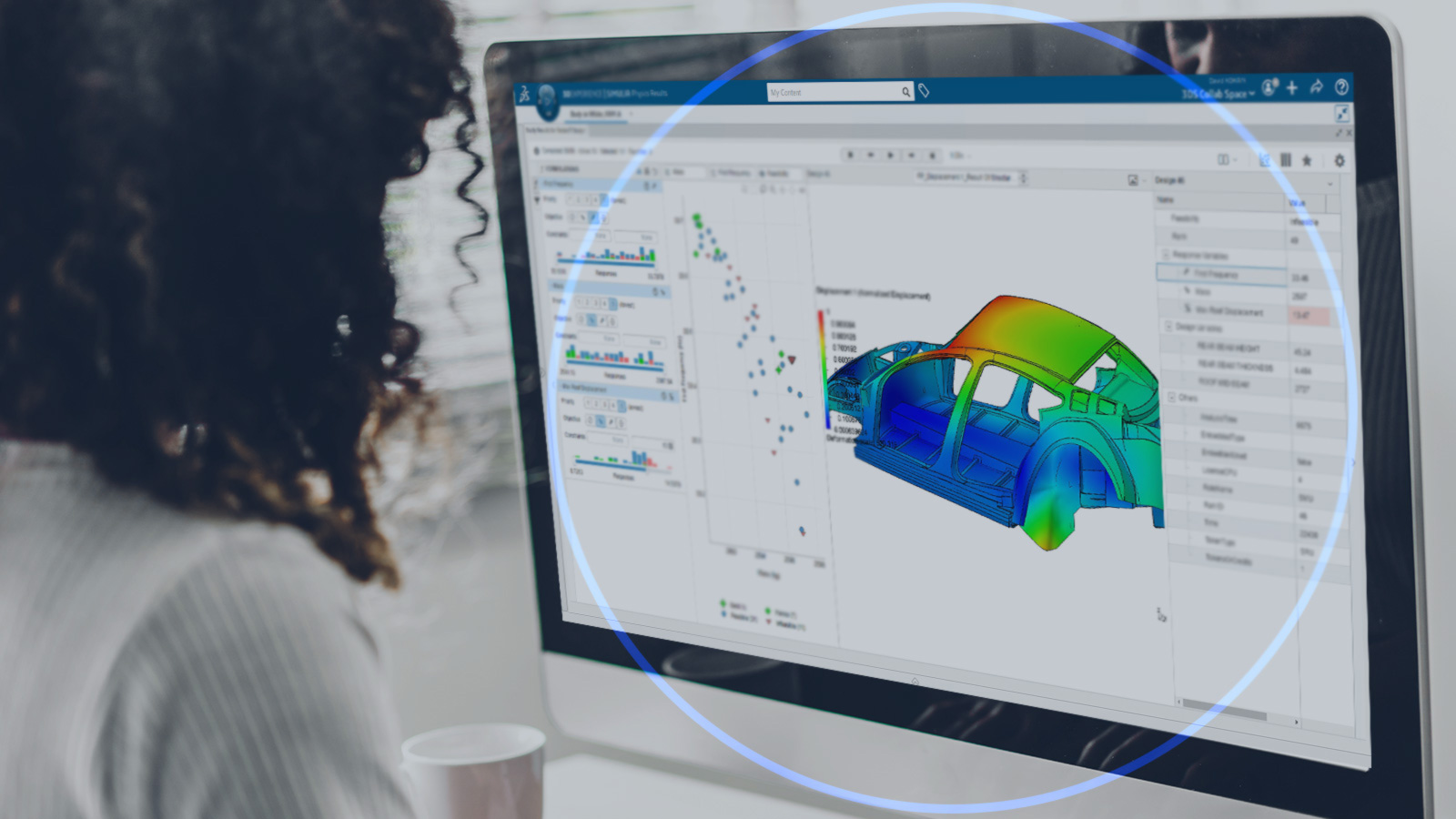
Simulation of a car and its operational load in SIMULIA

Automotive and Mobility

Impacts, longevity, aerodynamics, cooling, NVH, batteries, electric motors, and antenna systems.

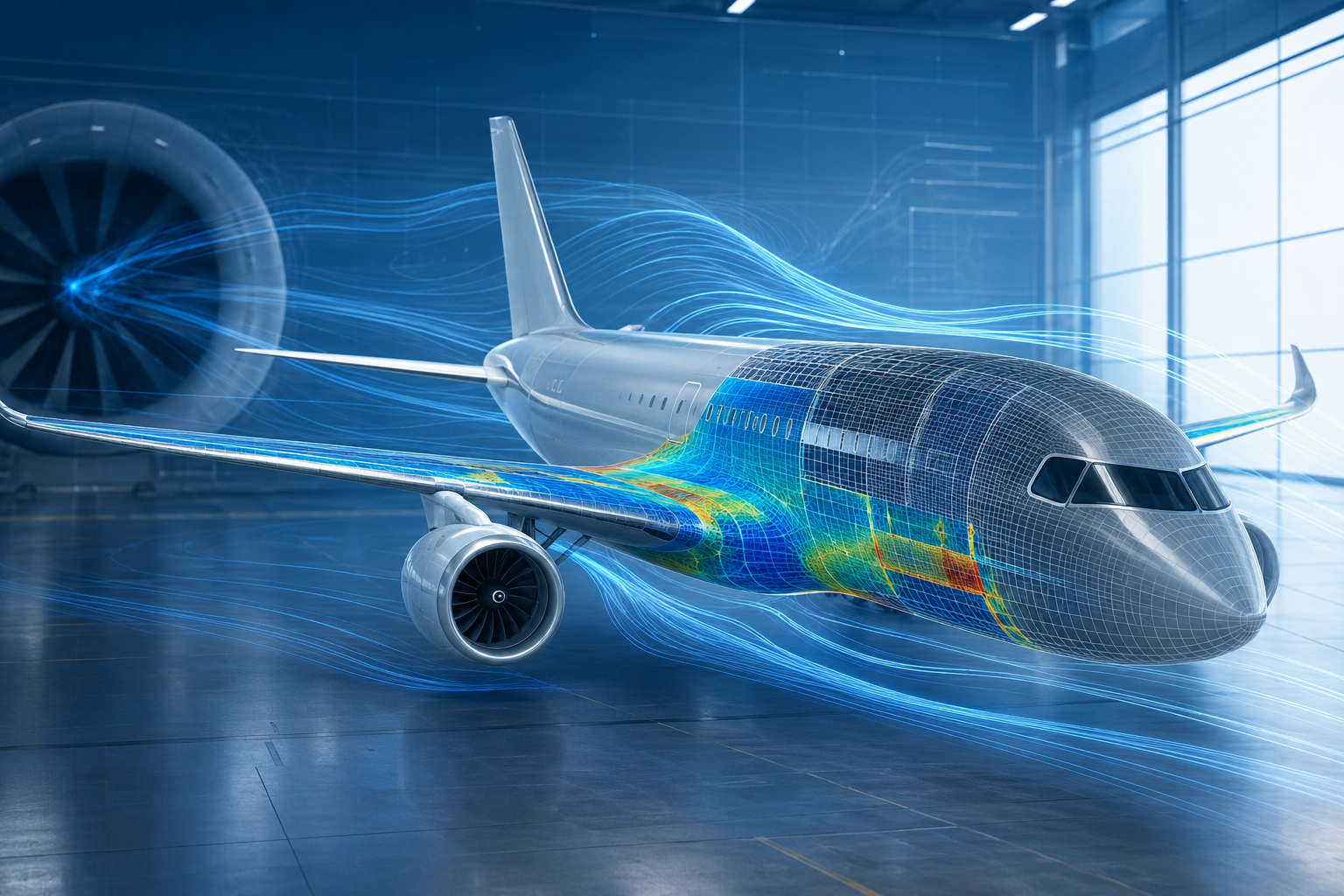
Simulation of an aircraft, aerodynamics, and structural load in SIMULIA

Aerospace and Defense

Lightweight structures, composites, aerodynamics, complex loads, and certification documentation.

Simulation of an industrial machine and mechanical load in SIMULIA

Engineering

Strength of frames and mechanisms, contact, fatigue, vibrations, thermal stress, and optimization.

Simulation of electronics, electromagnetic fields, and cooling in SIMULIA

High Tech and Electronics

Antennas, RF, EMC and EMI, cooling of electronics, connectors, sensors, and electric drives.

Simulation of energy equipment, flow, and thermal load in SIMULIA

Energy

Pressure and thermal loads, flow, piping systems, turbomachinery, and operational lifespan.

Simulation of a rail vehicle, driving dynamics, and load in SIMULIA

Rail Transport

Driving dynamics, bogies, wheel-rail contact, comfort, vibrations, and structural fatigue.

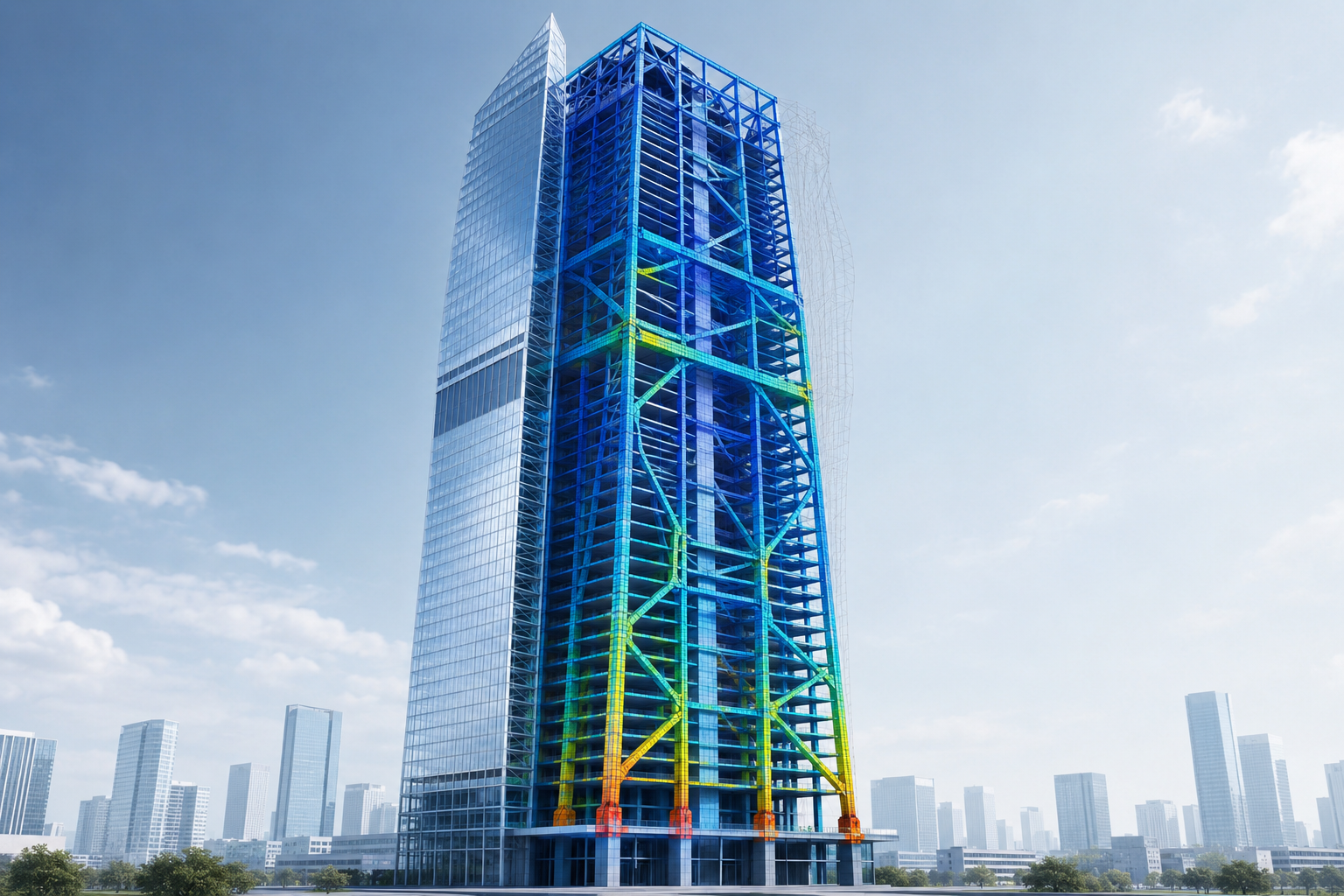
Simulation of construction structure, stability, and seismic load in SIMULIA

Construction

Nonlinear behavior of structures, seismic scenarios, stability, concrete, soils, and contact.

Simulation of materials, packaging, and consumer products in SIMULIA

Materials and Goods

Behavior of new materials, packaging, and products under impact, load, temperature, or prolonged use.

Why TECHNODAT

SIMULIA is not an isolated island. We will help you integrate it into the entire development environment.

TECHNODAT connects knowledge of Dassault Systèmes solutions, 3DEXPERIENCE, CATIA, PLM processes, design data, implementation, training, and long-term support.

Consultation and Pilot

We will help determine the appropriate level of simulation, necessary data, pilot scope, and success criteria.

Schedule a Consultation

Implementation and Training

We will set up the solution, prepare workflows, and help users utilize SIMULIA in practice.

Learn More About Training

Long-Term Support

After launch, we assist with methodology, technical inquiries, and expanding simulation scenarios.

Technical Support

Do you need to verify the design before investing in a prototype?

Describe the product, technical risk, or simulation task you are addressing. Together we will select a practical first step and the appropriate SIMULIA solution for your team.

I want a consultation
FAQ

Frequently Asked Questions about SIMULIA

What is SIMULIA?
SIMULIA is a portfolio of simulation solutions from Dassault Systèmes for virtual verification of performance, reliability, and safety of products and materials.
Is SIMULIA only for computational specialists?
No. The portfolio includes roles for designers who need to quickly verify designs, as well as advanced tools for specialists addressing nonlinear and multiphysics tasks.
What is the difference between SIMULIA and regular simulation in CAD?
Regular CAD tools cover simpler design verifications well. SIMULIA adds advanced capabilities for complex contact, large deformations, nonlinear materials, failure, explicit dynamics, multiple physical disciplines, optimization, and automation.
Can SIMULIA be integrated with CATIA or SOLIDWORKS?
Yes. Simulation procedures can be linked to design geometry from CATIA and SOLIDWORKS. On the 3DEXPERIENCE platform, modeling, simulation, data management, and collaboration can be integrated.
Is it possible to run simulations in the cloud?
Yes. Selected roles of 3DEXPERIENCE SIMULIA are available in a cloud environment. The mode of operation and computational resources are chosen based on the type of task, data volume, and security requirements.
Do we have to implement the entire portfolio at once?
No. We recommend starting with a specific scenario, such as structural analysis of a critical part, durability, cooling, or electromagnetic compatibility.
What do we need for the first pilot simulation?
Typically geometry, material data, operational loads, boundary conditions, and a clear question that the simulation is to answer. Available measurements can be used for validation.
Will TECHNODAT help with training and support?
Yes. We assist with solution selection, pilots, implementation, integration with 3DEXPERIENCE, user training, and long-term technical support in the Czech Republic and Slovakia.

The SIMULIA simulation software accelerates the evaluation of performance, reliability, and safety of materials and products even before the production of physical prototypes. Explore the technical fields we support.

Industries

Structural Simulation

Finite element analysis for engineering and construction

Industries

Electromagnetic Simulation

Plan, simulate, and model global operations with accuracy and efficiency

Industries

Computational Fluid Dynamics Simulation

Constant and variable internal and external flows around and through bodies and structures

Industries

Dynamics and Multibody Motion Simulation

Analysis of the motion of complex mechanical systems under the influence of mechanical forces

Industries

Vibroacoustic Simulation

Simulation and analysis of noise and vibrations across the entire audible frequency range.

Customer Stories

How leading companies utilize our design and engineering solutions
Customer Story | Engineering Base

NIPASS s.r.o.

The company NIPASS s.r.o., which has long been active in the exhaust systems sector, decided to expand its business into the development and production of municipal technology. Based on previous experiences, the decision was made to develop a universal vehicle for municipal services. The basic requirement was that the vehicle had sufficient energy capacity while meeting strict requirements for operational activities under the EURO 6 emission standard.
“Thanks to the Engineering Base solution and Technodat, we are able to accurately design the wiring and subsequently manufacture it according to specific requirements for different vehicle variants.”

Ing. Jan Müller
Managing Director of NIPASS s.r.o.
Find out what DELMIA can do for you
Talk to a DELMIA expert and find out how our solutions enable smooth collaboration and sustainable innovation in companies of all sizes.
Courses and Training
We offer courses and training for students, academia, professionals, and companies. Find the right SIMULIA training for you.
Get Help
Find information about software and hardware certifications, software downloads, user documentation, and support contacts for offered services.

How our customers are driving innovation

Reference

ZURI

Zuri uses the 3DEXPERIENCE platform to design and develop its VTOL aircraft, create a virtual twin, and connect all teams and partners within a single digital environment.

Reference

Aircraft Industries

How Aircraft Industries integrated electrical engineering with PLM to gain full control over engineering data. A real-world aviation development case where data integrity is essential.

Reference

Aero Vodochody

Aero Vodochody modernized the electrical design of the L-39NG aircraft with Engineering Base, achieving faster, more accurate, and better-connected production documentation.

Reference

CZ LOKO

Implementing Engineering Base in CZ LOKO's processes. Discover how Engineering Base supports the development of diesel-electric locomotives.

Reference

ŠKODA Transportation

Modernizing engineering processes with Engineering Base. How Škoda Transportation improved engineering efficiency and standardized electrical documentation.

Reference

CHROPYŇSKÁ GROUP

Chropyňská Group leveraged the 3DEXPERIENCE platform to centralize product data, standardize bills of materials (BOMs), and improve collaboration across engineering, manufacturing, and the supply chain.

Reference

Praga Cars

How Praga Cars accelerated the development of the Praga Bohema hypercar using the 3DEXPERIENCE platform

Reference

BRM AERO

Innovation and continuous aircraft development are among BRM Aero's top priorities.