
reference
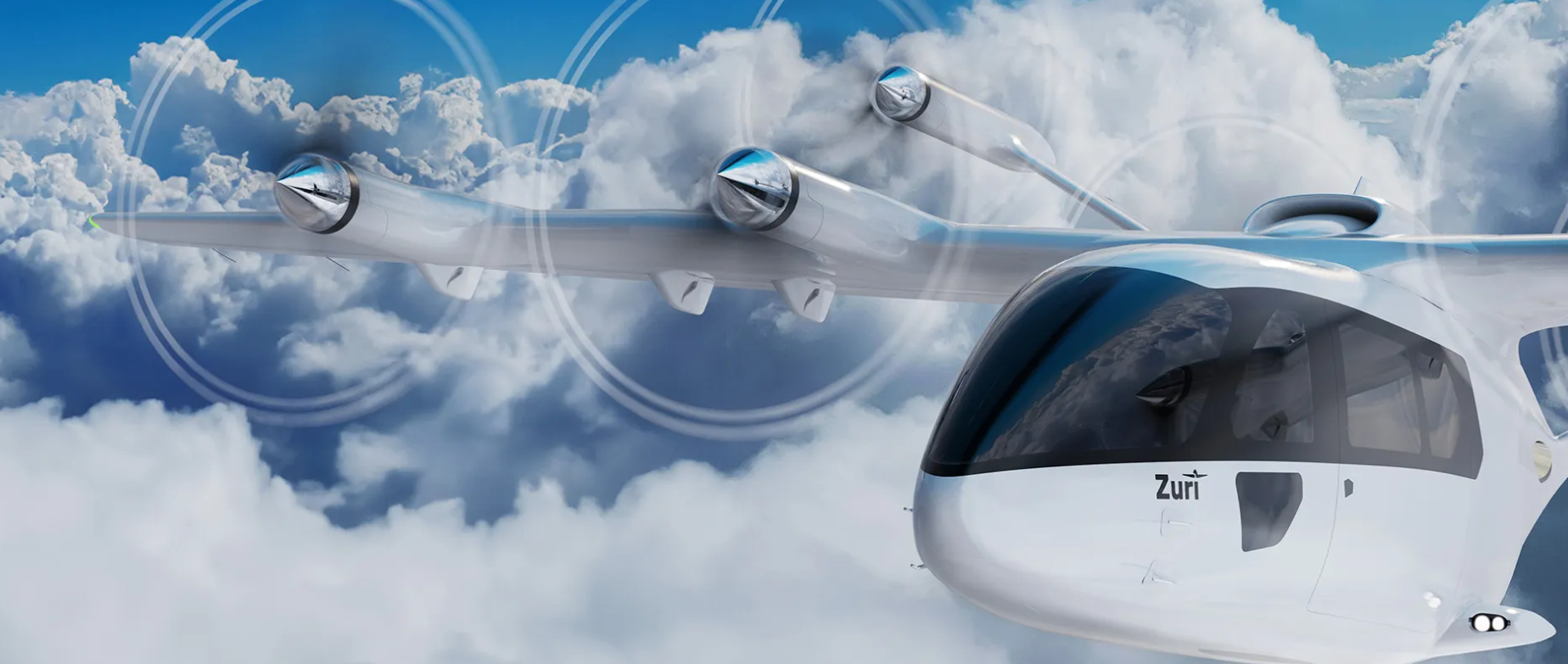
ZURI
Zuri uses the 3DEXPERIENCE platform to design and develop its VTOL aircraft, create a virtual twin, and connect all teams and partners within a single digital environment.
For a complex product like an aircraft, not only the quality of design matters, but also the speed and reliability of processing changes. Each customer specification means new requirements for documentation, material reports, and cable harnesses.
At Aero Vodochody, electrical design was originally based on the AutoCAD graphical system. Wiring lists, length calculations, and material reports were created manually. This way of working was time-consuming, complicated when changes occurred, and prone to errors.

Electrical documentation was mainly created manually. Information had to be repeatedly rewritten and checked, which prolonged the entire process and increased the risk of discrepancies between individual documents.
With the increasing complexity of the L-39NG project, it became clear that the existing way of working was not sustainable in the long term. Therefore, Aero sought a specialized electrical CAE system that could automate design work and unify data.
The choice fell on Engineering Base, which stood out primarily due to its modern database architecture. This allows for centralized data management and reduces the mechanical rewriting of information between documents.
When creating the new electrical documentation for the L-39NG aircraft, it was necessary to create not only logical wiring diagrams, assembly layouts, and material reports, but also manufacturing documentation for cable harnesses. Here, Engineering Base provided a significant advantage: an online data connection between electrical diagrams and harness documentation.

Engineering Base allows for both graphical and alphanumeric design. This is especially important in harness documentation, where tabular input significantly speeds up work.
In collaboration with TECHNODAT Elektro, the solution was additionally integrated with the internal information system Avalon and also with mechanical 3D systems CATIA V and Siemens NX. Electrical and mechanical design can thus collaborate better on one complex product.
The implementation of Engineering Base brought a significant modernization of the way circuit and manufacturing documentation is processed. A part of manual work was eliminated, changes were executed faster, and data accuracy increased across documentation.
The new design method is being used and further developed in the L-39NG project, which involves extensive modernization of the aircraft and the creation of new comprehensive documentation.
This experience is relevant for manufacturing companies that create extensive electrical documentation, work with cable harnesses, and need to better manage the continuity between electrical design, manufacturing documentation, material reports, and 3D design.
Typically, this involves situations where changes in design must be quickly reflected in all related documents and where manual data transfer slows down work or increases the risk of errors.
TECHNODAT has long been active in the field of electrical design and systems for technical documentation. Thanks to knowledge of Engineering Base and related enterprise and 3D systems, it was possible to design a solution that did not just focus on the software deployment but supported the real way of working for designers.
TECHNODAT has long been active in the field of electrical design and systems for technical documentation. Thanks to knowledge of Engineering Base and related enterprise and 3D systems, it was possible to design a solution that did not just focus on the software deployment but supported the real way of working for designers.
Modern aircraft development requires high precision, traceability, and a quick response to changes. Therefore, the benefit arises not only from the software itself but primarily from the way data is handled.
If electrical design, manufacturing documentation, and related systems work separately, there is room for delays and errors. Engineering Base helps eliminate this space and create a stronger foundation for effective engineering work.
Zuri uses the 3DEXPERIENCE platform to design and develop its VTOL aircraft, create a virtual twin, and connect all teams and partners within a single digital environment.
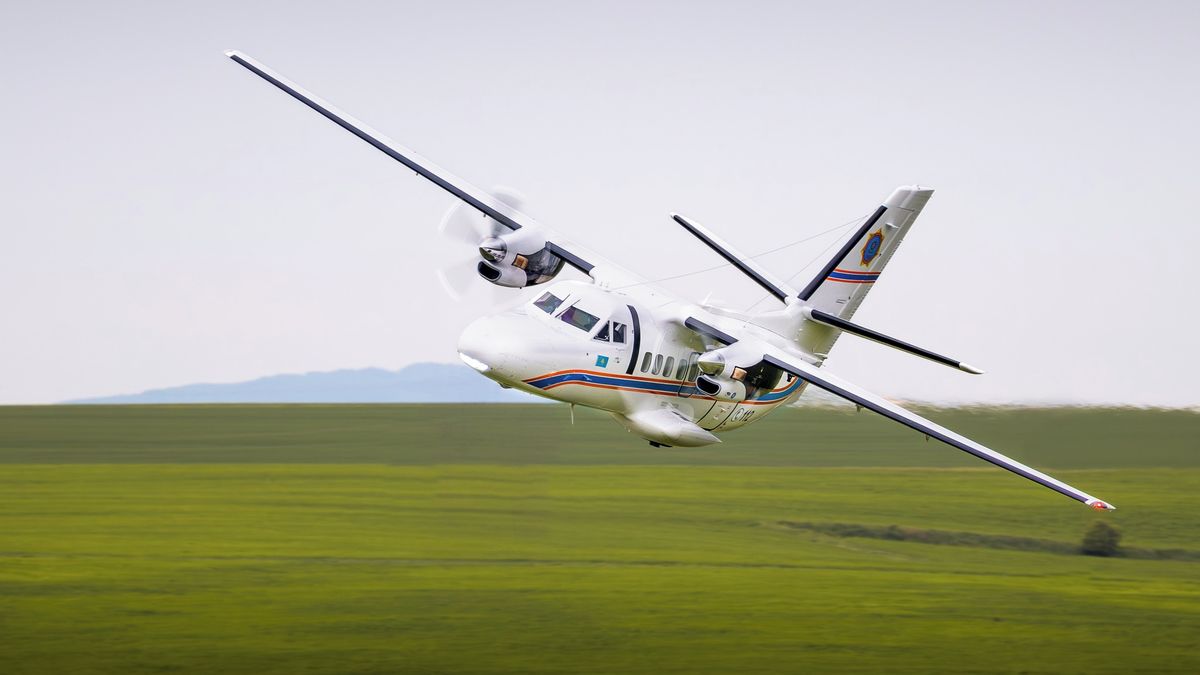
How Aircraft Industries integrated electrical engineering with PLM to gain full control over engineering data. A real-world aviation development case where data integrity is essential.
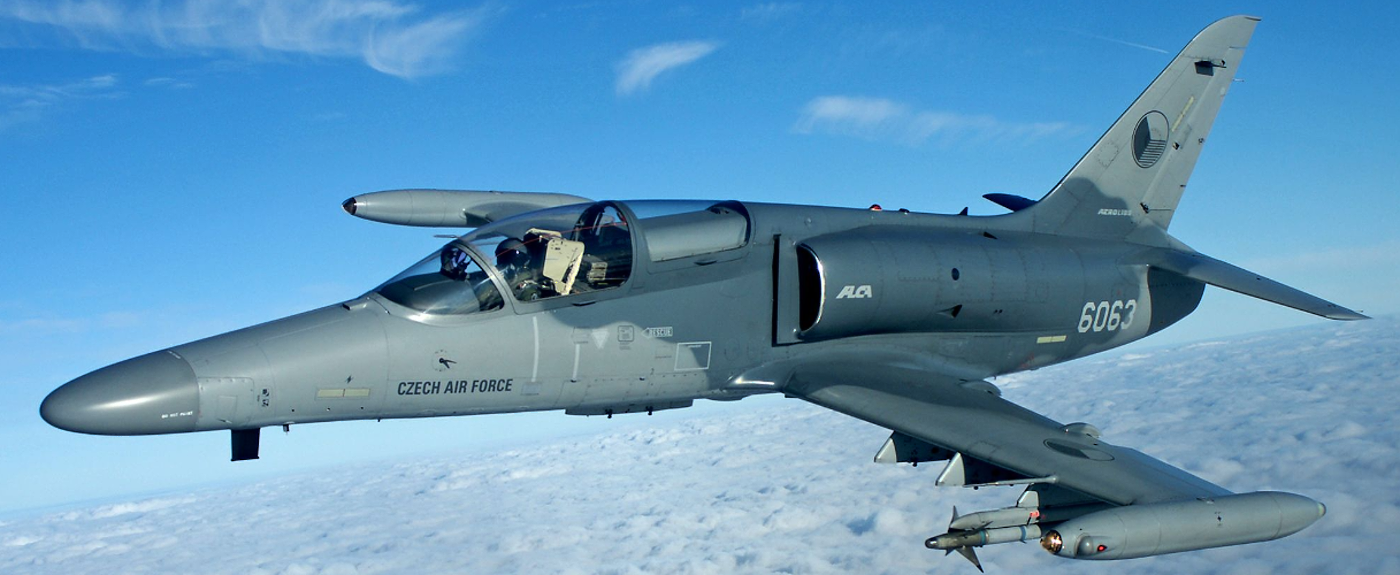
Aero Vodochody modernized the electrical design of the L-39NG aircraft with Engineering Base, achieving faster, more accurate, and better-connected production documentation.

Chropyňská Group leveraged the 3DEXPERIENCE platform to centralize product data, standardize bills of materials (BOMs), and improve collaboration across engineering, manufacturing, and the supply chain.
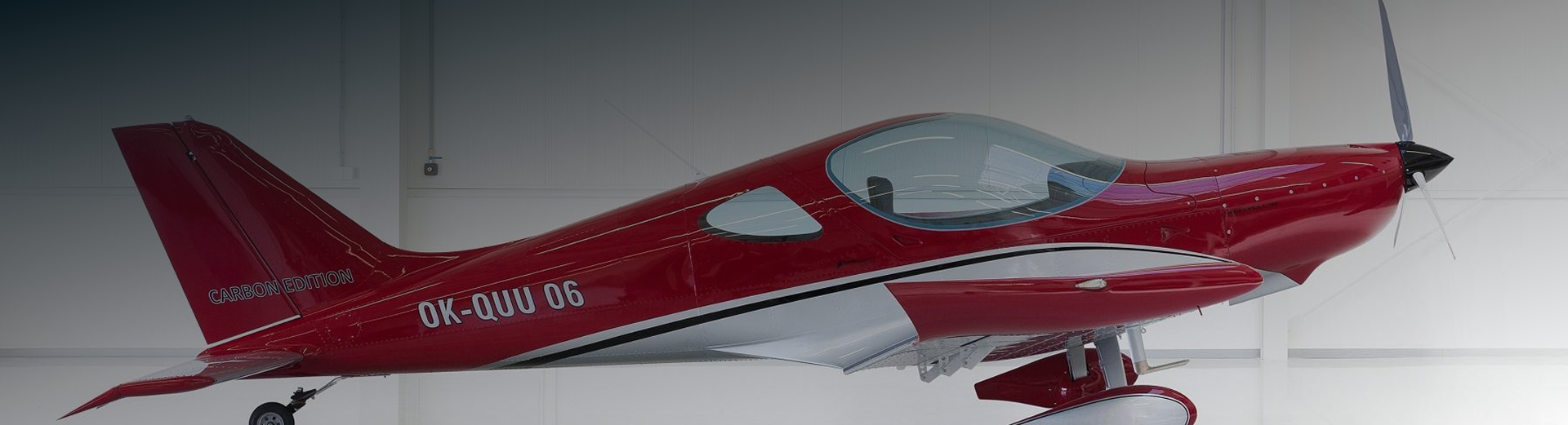
Innovation and continuous aircraft development are among BRM Aero's top priorities.

