
reference
ZURI
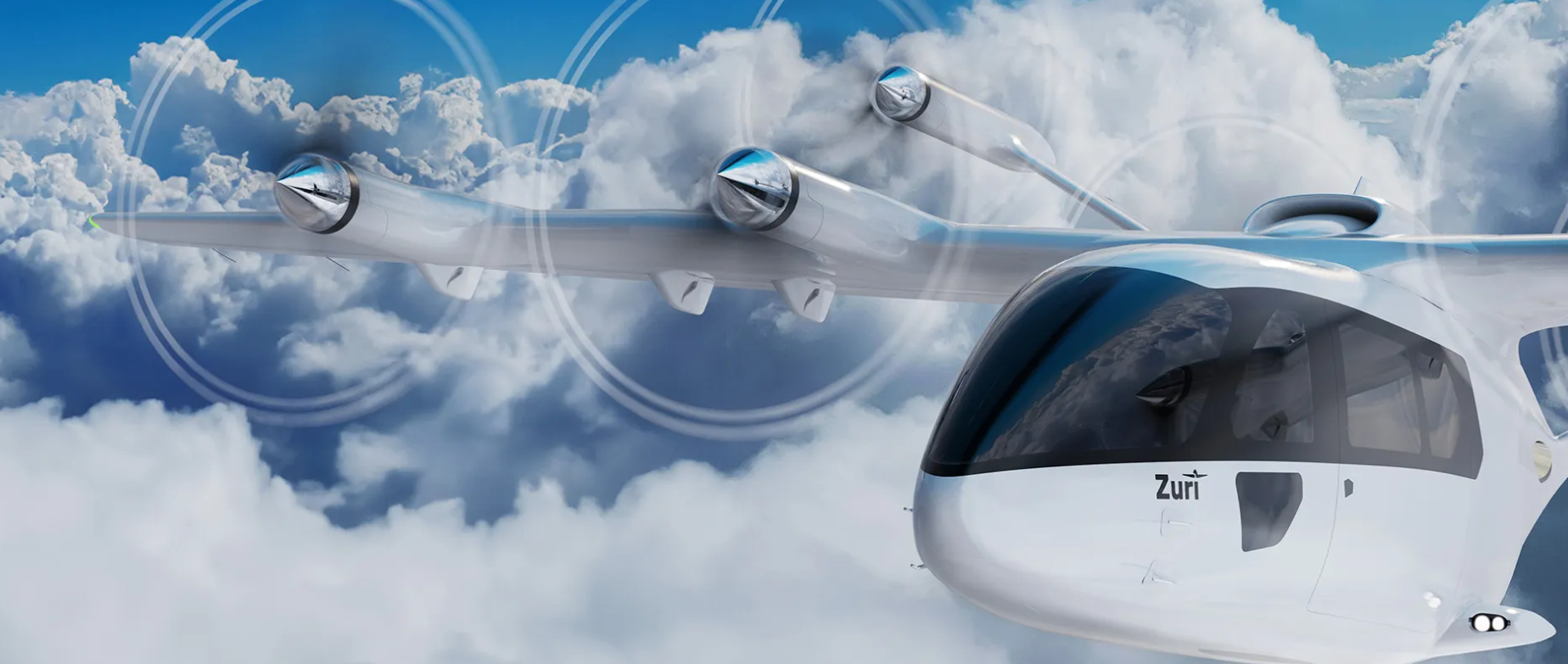
Zuri uses the 3DEXPERIENCE platform to design and develop its VTOL aircraft, create a virtual twin, and connect all teams and partners within a single digital environment.
The problem does not arise in the systems. It arises between them. If your electrical data and PLM do not work with a single version of truth, you are likely facing the same issue as Aircraft Industries.
At Aircraft Industries, we have long been working with complex products where every change must be traceable and every piece of information accurate.
However, like many other manufacturing companies, there was a gap between where the data originated and where it was managed.
Electrical design had its environment. The PLM system had its own. And between them, there was a space where data needed to be transferred, controlled, and re-verified.
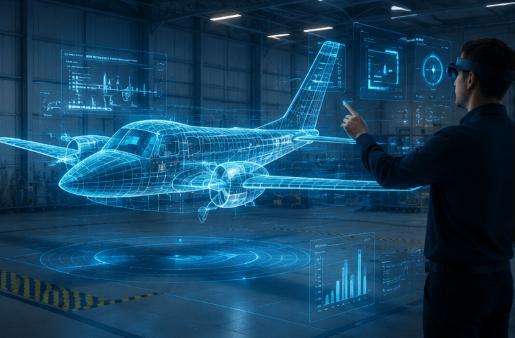
In practice, this meant that bills of materials and documentation had to be transferred between systems. Every change required verification and assurance that it was reflected everywhere it needed to be.
With the increasing complexity of projects, it became clear that this approach was not sustainable in the long term. Not due to the individual tools, but because there was a lack of a solid and managed relationship between them.
In collaboration with TECHNODAT, a solution was developed that connects Engineering Base and the 3DEXPERIENCE platform into a single process.
From the user's perspective, the work fundamentally did not change. The electrical designer continues to work in the environment they are accustomed to.
The difference occurs when the data is ready to be shared. Instead of manual transfer, a controlled process takes place that automatically checks the data, creates the product structure, and ensures its connection to other parts of development.

The solution is built on an automated interface between Engineering Base and the 3DEXPERIENCE platform, which ensures controlled data transfer without the need for manual intervention.
The bill of materials, documentation, and technical attributes are created in Engineering Base and are subsequently transferred to PLM, where they are managed within the product structure and its lifecycle.
The entire process includes data verification, creation of the appropriate structure, and connection to other related systems, including change management.
Data is created once. And then it is only managed.
From Aircraft Industries' perspective, it was not just about the technical connection of systems, but about changing the everyday work with data. It was crucial to eliminate the uncertainty that arose during their transfer and to ensure that all teams work with the same information.
The change was not only reflected at the system level but primarily in the everyday work of the teams.
The need for manual data verification between systems was eliminated, and the process of transferring data was significantly simplified. The bill of materials created in electrical design is now directly usable in other parts of development without additional modifications.
Change management is clearer, and individual steps are clearly traceable. Teams thus work with greater certainty, and the entire process is faster and more stable.
This experience is relevant for companies that work with electrical design separately from PLM and are addressing their integration.
Typically, these are situations where it is necessary to transfer bills of materials between systems, verify their consistency, or manage complex change processes across multiple tools.
It is precisely in these cases that it becomes crucial to establish a clear method of working with data and managing it throughout the entire product.
TECHNODAT has long been active in the field of PLM and electrical design and has experience with both environments – both Engineering Base and the 3DEXPERIENCE platform.
This made it possible to design a solution that is not just a technical connection of systems but also corresponds to the real processes in development and the work of individual teams.
The project included not only implementation but also the design of the data model and a sustainable working method.
As a result, today at Aircraft Industries, there are no discrepancies between design and data in the system. The bill of materials created in electrical design is also the one that enters other processes and is used by other teams, without the need for manual transfer or verification between systems.
Changes are clearer and easier to trace, so there is no need to address where an error occurred or which version is current. The entire development thus appears as one connected process, not as several separate steps, and individual steps follow each other without unnecessary delays.
Experience shows that the benefit arises not only from connecting systems but from changing the way data is handled. Data have a clear point of origin and are managed in the context of the product, which increases reliability and usability in other parts of development and in subsequent processes.
This shift is increasingly being addressed by manufacturing companies today, as without it, it is impossible to manage the growing complexity of development or change management, and individual processes remain unnecessarily separated and poorly coordinated.
These experiences translate into faster project implementation, higher data consistency, and reliable engineering outputs in complex industrial environments.
We help you manage engineering complexity, modernize outdated systems, and confidently scale your engineering capacities.
Zuri uses the 3DEXPERIENCE platform to design and develop its VTOL aircraft, create a virtual twin, and connect all teams and partners within a single digital environment.
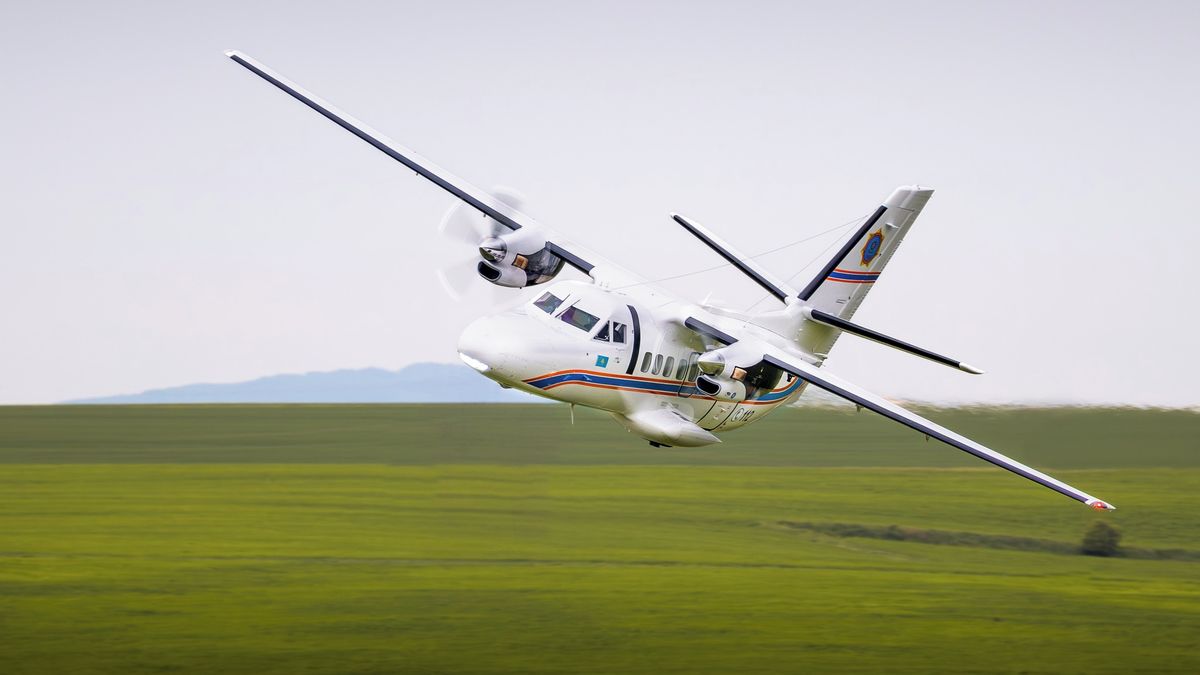
How Aircraft Industries integrated electrical engineering with PLM to gain full control over engineering data. A real-world aviation development case where data integrity is essential.
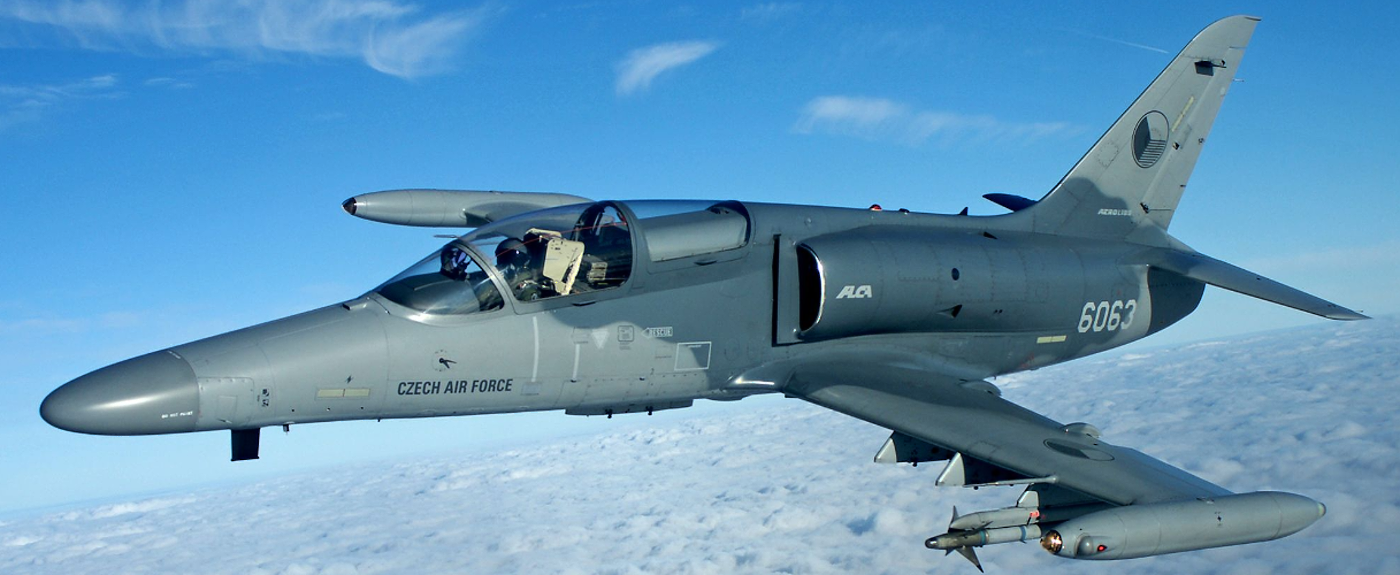
Aero Vodochody modernized the electrical design of the L-39NG aircraft with Engineering Base, achieving faster, more accurate, and better-connected production documentation.

Chropyňská Group leveraged the 3DEXPERIENCE platform to centralize product data, standardize bills of materials (BOMs), and improve collaboration across engineering, manufacturing, and the supply chain.
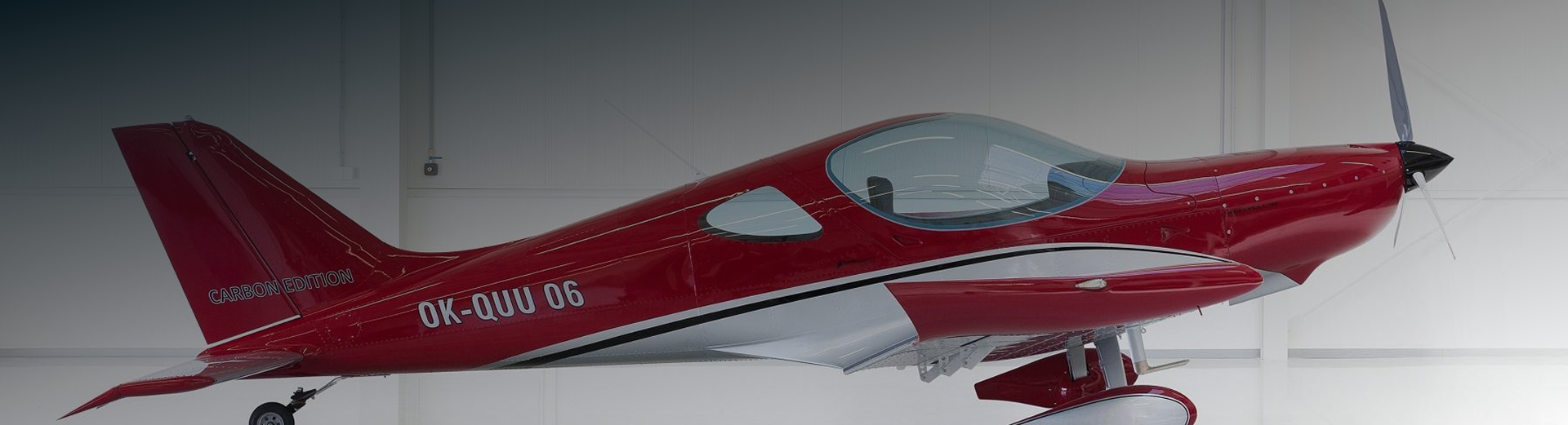
Innovation and continuous aircraft development are among BRM Aero's top priorities.

